
When house siding starts showing green algae, mildew, pollen, dirt, or dark staining, homeowners often wonder whether soft washing or pressure washing is the safer cleaning method.
For most residential siding, soft washing is generally the safer choice because it uses lower water pressure along with cleaning solutions to loosen and remove exterior buildup. Traditional pressure washing relies more heavily on water force and is typically better suited to harder surfaces such as concrete.
For homeowners comparing soft wash house cleaning, soft wash Richmond, or house power washing Richmond VA services, the key is choosing the right method for the surface rather than simply using more pressure.
What Is Soft Washing?
Soft washing is an exterior-cleaning method that combines:
- Low water pressure
- Surface-appropriate cleaning solutions
- Controlled rinsing
The cleaning solution helps break down:
- Green algae
- Mildew
- Mold-related staining
- Dirt
- Pollen
- Organic buildup
Because less pressure is required, soft washing is commonly used for delicate exterior surfaces.
What Is Pressure Washing?
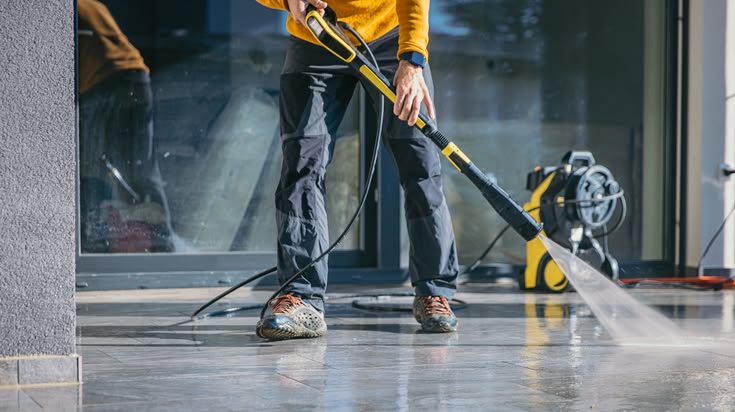
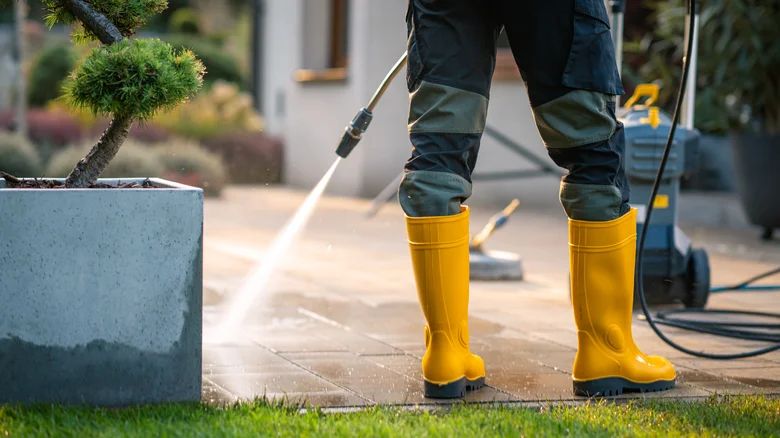
Pressure washing uses water delivered at a higher pressure.
It is commonly used for durable surfaces such as:
- Concrete
- Driveways
- Sidewalks
- Walkways
- Some patios
Pressure washing can be highly effective, but it must be used carefully around house siding.
Too much pressure can damage materials that are not designed to handle aggressive water force.
Soft Washing vs Pressure Washing: What Is the Main Difference?
The biggest difference is how the cleaning work is done.
Soft Washing
Soft washing relies more on cleaning solutions and lower pressure.
Pressure Washing
Pressure washing relies more heavily on water pressure and mechanical force.
Both methods have their place, but they are not interchangeable for every surface.
Which Is Safer for House Siding?
For most types of siding, soft washing is generally safer.
House siding can be vulnerable to excessive water pressure.
Using too much pressure may:
- Force water behind siding
- Loosen panels
- Strip paint
- Damage surface finishes
- Affect seals around windows and doors
Soft washing reduces these risks by using lower pressure.
Is Soft Washing Safe for Vinyl Siding?
In many cases, yes.
Vinyl siding is one of the most common surfaces cleaned with soft washing.
It often develops:
- Green algae
- Mildew
- Pollen buildup
- Dirt
- General discoloration
Professional softwash house cleaning can help remove this buildup without relying on excessive force.
Can Pressure Washing Damage Vinyl Siding?
Yes, if it is done incorrectly.
High pressure may:
- Crack or loosen siding
- Push water behind panels
- Damage trim
- Affect seals
- Leave visible marks
The risk increases when the nozzle is held too close or the pressure setting is too high.
This is why surface-specific cleaning is important.
Why Soft Washing Works Well for Organic Growth
Many siding problems are caused by organic buildup.
Common examples include:
- Green algae
- Mildew
- Mold-related staining
These problems do not always require high pressure.
Soft washing uses cleaning solutions to loosen and treat the buildup before rinsing.
That makes it especially useful for siding affected by organic growth.
Can Soft Washing Remove Green Algae?
Yes.
Green algae is one of the most common reasons homeowners choose soft washing.
It often develops on siding that stays damp because of:
- Shade
- Trees
- Moisture
- Limited sunlight
- Poor airflow
Soft washing helps treat the growth instead of simply trying to blast it away.
Can Soft Washing Remove Mildew?
Yes.
Mildew can develop on siding and other exterior surfaces where moisture remains present.
Soft washing can help remove:
- Mildew
- Dark surface staining
- Organic buildup
- General discoloration
The exact result depends on the condition of the siding and the severity of the buildup.
What About Mold on House Siding?
Exterior mold-related staining may also develop in damp or shaded areas.
A professional cleaning service should inspect the surface and determine the correct cleaning solution and pressure level.
The important point is that siding should not automatically be cleaned with high pressure simply because the buildup looks severe.
Is Soft Washing Better for Painted Siding?
Often, yes.
Painted siding requires extra care because high pressure may:
- Strip paint
- Damage weak finishes
- Expose underlying surfaces
- Leave uneven marks
Lower-pressure cleaning is generally safer, particularly when the paint is older.
What About Wood Siding?
Wood siding can also be damaged by aggressive pressure washing.
Excessive pressure may:
- Raise wood fibers
- Cause splintering
- Leave visible lines
- Damage softer areas
Lower-pressure cleaning is usually more appropriate.
The cleaning method should be adjusted based on:
- Age of the wood
- Surface condition
- Existing finish
- Type of buildup
Can Brick Siding Be Pressure Washed?
Brick is more durable than many siding materials, but it still requires careful technique.
Older or damaged mortar can be vulnerable to aggressive pressure.
A professional should evaluate:
- Brick condition
- Mortar condition
- Age
- Surface staining
before deciding how much pressure to use.
What Is Better for Stucco?
Stucco typically requires a gentler approach.
Too much pressure can potentially:
- Damage the finish
- Create cracks
- Force water into weak areas
Soft washing or controlled low-pressure cleaning may be more appropriate depending on the condition of the surface.
Is Pressure Washing Ever Appropriate for a House Exterior?
Yes, but it depends on the surface.
Pressure washing is often useful for:
- Concrete driveways
- Sidewalks
- Walkways
- Durable patios
- Other hard exterior surfaces
A complete house-cleaning service may use soft washing for the siding and pressure washing for the surrounding concrete.
Can One Home Need Both Soft Washing and Pressure Washing?
Absolutely.
For example:
- Siding may be soft washed
- Driveway may be pressure washed
- Walkways may be pressure washed
- Decks may need controlled low pressure
- Fences may need surface-specific treatment
The best method should be chosen surface by surface.
Why More Pressure Is Not Better
A common misconception is that stronger pressure creates better cleaning.
That is not always true.
Excessive pressure can cause:
- Surface damage
- Water intrusion
- Stripped finishes
- Etched concrete
- Splintered wood
The correct approach is to use the safest method that effectively removes the buildup.
Soft Washing vs House Power Washing
Homeowners searching for house power washing Richmond VA may assume that power washing is the only option.
However, house siding often benefits from a gentler cleaning method.
Power washing or pressure washing may be useful for hard surfaces, but soft wash house cleaning is often better suited for siding.
This distinction can help protect the exterior while still improving its appearance.
Is Soft Wash Richmond Service Better for Older Homes?
It can be.
Older homes may have:
- Aging siding
- Older paint
- Weak caulking
- Worn exterior finishes
- Delicate materials
Lower-pressure cleaning may help reduce the risk of damage.
An inspection should always be completed before cleaning begins.
How Often Should House Siding Be Soft Washed?
For many homes, cleaning every 12 to 18 months is a practical starting point.
Some homes may need service sooner if they have:
- Heavy tree coverage
- Shade
- Moisture
- Recurring green algae
- Mildew
- Heavy pollen
The condition of the siding should guide the schedule.
Signs Your Siding Needs Soft Washing
Look for:
- Green algae
- Mildew
- Dark streaks
- Pollen buildup
- Dirt
- Surface discoloration
- A dull exterior appearance
If buildup is spreading, cleaning sooner may help prevent the exterior from becoming significantly dirtier.
Can Soft Washing Improve Curb Appeal?
Yes.
Professional house washing can help:
- Brighten siding
- Remove green buildup
- Reduce visible staining
- Refresh exterior surfaces
- Improve first impressions
This can be particularly useful before:
- Selling a home
- Listing photography
- Exterior painting
- Seasonal maintenance
- Outdoor events
Should You Soft Wash Before Painting?
Cleaning before painting is often recommended because paint generally performs better on a clean surface.
Soft washing can help remove:
- Dirt
- Algae
- Mildew
- Pollen
- Organic buildup
The exterior should then be allowed enough time to dry before painting begins.
Can You Pressure Wash House Siding Yourself?
DIY pressure washing carries some risk.
Common mistakes include:
- Using too much pressure
- Holding the nozzle too close
- Using the wrong spray angle
- Forcing water behind siding
- Damaging trim or paint
Even if the surface looks durable, improper technique can cause problems that may not be immediately visible.
Can You Soft Wash a House Yourself?
DIY soft washing is possible, but homeowners need to be careful with:
- Cleaning solution strength
- Landscaping
- Windows
- Electrical fixtures
- Upper-story areas
- Surface compatibility
Professional service can reduce the risk of using the wrong solution or application method.
How Professional House Washing Protects Siding
A professional provider should evaluate:
- Surface material
- Age
- Existing damage
- Type of buildup
- Accessibility
- Appropriate pressure
- Appropriate cleaning solution
This allows the cleaning method to be adjusted for the property.
Soft Washing vs Pressure Washing: Which Should You Choose?
A simple guideline is:
Choose Soft Washing For:
- Vinyl siding
- Painted siding
- Stucco
- Delicate exterior finishes
- Green algae
- Mildew
- Organic staining
Choose Pressure Washing For:
- Concrete
- Driveways
- Walkways
- Sidewalks
- Durable patios
For many homes, the best exterior-cleaning plan uses both methods.
Professional Soft Wash House Cleaning in Richmond, VA
House siding should not be cleaned the same way as a concrete driveway.
Curb Appeal Pressure Wash provides professional house washing and exterior cleaning in the Richmond area.
Depending on the property, services may include:
- Soft washing
- House washing
- Pressure washing
- Driveway cleaning
- Walkway cleaning
- Deck cleaning
- Fence cleaning
- Concrete cleaning
If your siding has green algae, mildew, pollen, dirt, or staining, professional soft wash house cleaning can help restore a cleaner appearance while using a method designed for the surface.
For homeowners searching for soft wash Richmond or house power washing Richmond VA, choosing the correct cleaning method is the key to protecting the siding while achieving better results.
FAQs
Is soft washing safer than pressure washing for house siding?
For many siding materials, yes. Soft washing uses lower pressure and is generally better suited to delicate residential surfaces.
Can pressure washing damage vinyl siding?
Yes. Excessive pressure can loosen siding, damage finishes, or force water behind exterior materials.
Does soft washing remove green algae?
Yes. Soft washing is commonly used to remove green algae, mildew, and other organic buildup.
Is soft washing safe for painted siding?
It can be when the correct cleaning solution and pressure level are used.
What surfaces are better for pressure washing?
Concrete driveways, sidewalks, walkways, and other durable hard surfaces are often better suited to pressure washing.
How often should house siding be cleaned?
Many homeowners can start with cleaning every 12 to 18 months. Homes with heavy shade, trees, moisture, or recurring algae may need service sooner.