
A restaurant’s exterior creates an impression before guests see the dining room, meet the staff, or read the menu. Stained sidewalks, greasy entryways, dirty patios, chewing gum, algae, and overflowing debris can make an otherwise well-managed restaurant appear neglected.
Regular sidewalk and patio cleaning helps restaurants maintain a more welcoming appearance, reduce avoidable safety concerns, and protect outdoor surfaces from long-term buildup. For restaurants in Midlothian, Richmond, and surrounding communities, professional exterior cleaning can be an important part of routine property maintenance.
First Impressions Begin Outside
Customers start evaluating a restaurant as soon as they arrive. They notice the parking area, entrance, windows, sidewalks, outdoor seating, and condition of the building.
A clean entrance suggests that the restaurant pays attention to detail. A heavily stained walkway or dirty patio may create the opposite impression—even when the interior is clean and the food is excellent.
Common exterior problems around restaurants include:
- Grease and food stains
- Spilled drinks
- Chewing gum
- Dirt and mud
- Algae and mildew
- Bird droppings
- Pollen
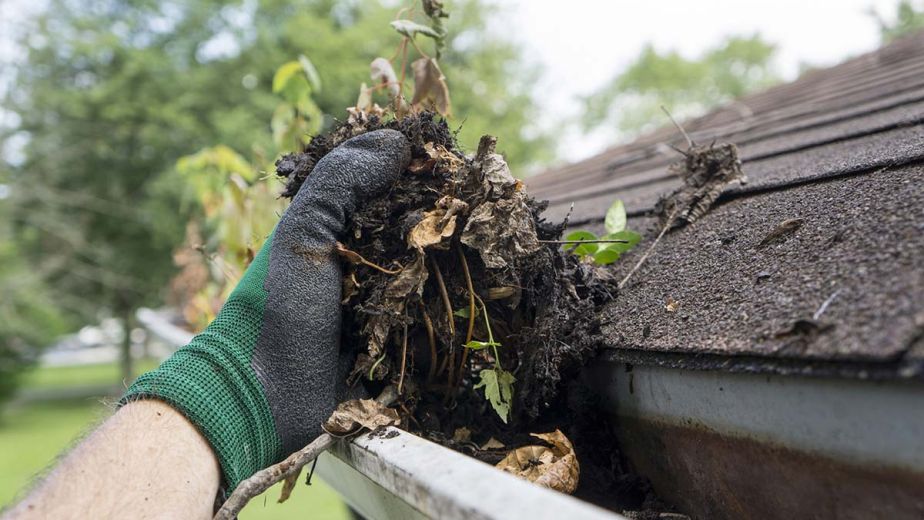
- Leaves and organic debris
- Tire marks
- Dumpster-area residue
- Stains around outdoor trash containers
Regular cleaning helps prevent these issues from becoming part of the property’s permanent appearance.
Restaurant Sidewalks Receive Heavy Foot Traffic
Restaurant sidewalks often experience more activity than walkways at many other commercial properties. Customers, employees, food-delivery drivers, vendors, and waste-management crews may use the same areas throughout the day.
This constant traffic can carry dirt, oil, food residue, and other contaminants across exterior surfaces. Areas near entrances, curbside pickup zones, delivery doors, and trash locations may become dirty especially quickly.
Routine sweeping can remove loose debris, but it may not address residue that has bonded to concrete or other hard surfaces. Professional pressure washing can provide a deeper clean by loosening and removing buildup that ordinary surface cleaning leaves behind.
Outdoor Dining Areas Need Consistent Maintenance
Patios have become valuable spaces for restaurants. They provide additional seating, attract guests during pleasant weather, and contribute to the overall atmosphere of the business.
However, outdoor dining areas are also exposed to:
- Food and beverage spills
- Grease
- Dust
- Rainwater
- Pollen
- Leaves
- Mold and mildew
- Insects
- Bird activity
- Stains from tables, chairs, and planters
Because customers eat in these areas, the appearance of the patio can strongly affect their experience. A stained floor or sticky surface may make guests question the restaurant’s attention to cleanliness.
Regular patio cleaning helps keep outdoor dining areas presentable and ready for service.
Grease and Food Residue Can Build Up Quickly
Restaurants naturally generate grease and food residue. These materials may reach sidewalks and patios through dropped food, spills, kitchen deliveries, leaking waste bags, outdoor cooking areas, and employee traffic.
Grease stains are particularly difficult because they can penetrate porous surfaces such as concrete. The longer grease remains, the more challenging it may become to improve the stain.
Professional cleaning may involve:
- Evaluating the surface and stain
- Applying an appropriate cleaning solution
- Allowing the solution time to loosen the residue
- Using controlled pressure or surface-cleaning equipment
- Rinsing the area thoroughly
Not every old stain can be removed completely, but prompt and regular maintenance may prevent buildup from becoming more severe.
Cleaning May Help Reduce Slip and Trip Concerns
Grease, algae, mildew, and certain food residues can make exterior surfaces slippery, especially when wet.
Restaurant entrances and patios must accommodate customers of different ages and mobility levels. Employees may also carry trays, boxes, or supplies through these areas. Keeping walkways free from heavy organic and greasy buildup can support a safer and more orderly environment.
Professional cleaning does not replace necessary repairs. Cracked concrete, loose pavers, uneven surfaces, drainage issues, and damaged steps should be addressed separately. However, removing surface buildup can be one useful part of an overall exterior-maintenance plan.
Gum Removal Improves the Appearance of Entrances
Chewing gum is a common problem around restaurants, shopping centers, entertainment venues, and other busy commercial properties.
Once gum has been pressed into concrete by foot traffic, it can become difficult to remove with ordinary sweeping or rinsing. Multiple dark gum spots near an entrance can make a sidewalk look dirty even when the rest of the area has been cleaned.
Professional equipment and cleaning techniques can help loosen gum from suitable surfaces. Regular service may prevent dozens of old gum spots from accumulating over time.
Virginia’s Humidity Encourages Organic Growth
Warm temperatures and humidity can encourage algae, mold, and mildew to develop on shaded exterior surfaces. Areas with limited sunlight, poor drainage, nearby vegetation, or frequent moisture may be especially affected.
Organic growth may appear as:
- Green patches
- Black discoloration
- Dark streaks
- Slippery film
- Staining along edges and joints
Restaurant patios with planters, umbrellas, walls, or covered seating may contain shaded areas that remain damp longer than open sidewalks.
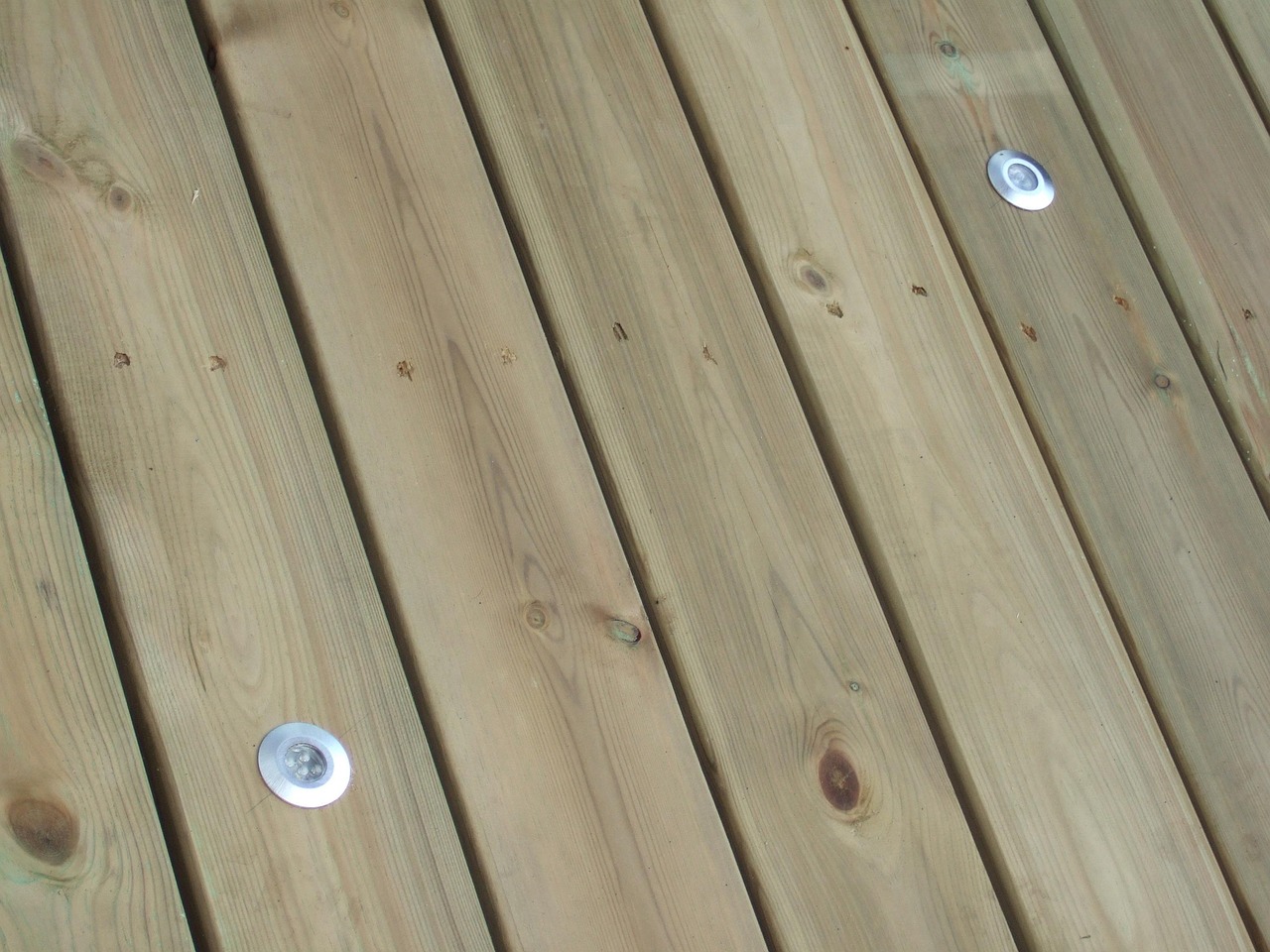
The correct cleaning approach depends on the surface. Durable concrete may be cleaned differently from painted patios, wood decking, pavers, or decorative materials. A professional should adjust the method rather than applying maximum pressure everywhere.
Clean Patios Support the Customer Experience
Customers choose outdoor seating because they want an enjoyable environment. The patio should feel like an extension of the dining room—not a neglected space behind the building.
A well-maintained patio can support:
- A more inviting atmosphere
- Better-looking customer photographs
- Positive first impressions
- Greater confidence in the restaurant
- More appealing outdoor events
- A consistent brand image
This is particularly important for restaurants that promote outdoor dining through social media. Customers often photograph meals, drinks, friends, and surroundings. A cleaner patio provides a better background for these shared experiences.
Exterior Cleaning Helps Protect the Restaurant’s Brand
Restaurants invest heavily in branding. Signs, menus, logos, uniforms, lighting, furniture, and interior décor are all selected to create a recognizable identity.
The condition of the exterior should support that identity.
A premium restaurant with a stained entryway may create an inconsistent impression. A family-friendly café with a dirty patio may seem less welcoming. A busy takeout restaurant with greasy sidewalks may appear poorly managed.
Regular exterior cleaning helps ensure that the physical property reflects the standards the restaurant wants customers to associate with its brand.
Clean Surfaces Are Easier to Inspect
When surfaces are covered in heavy dirt, grease, or organic buildup, it may be harder to notice underlying maintenance problems.
Cleaning can make it easier for restaurant owners and property managers to identify:
- Cracks in concrete
- Damaged pavers
- Drainage problems
- Loose mortar
- Peeling coatings
- Rust stains
- Leaking equipment
- Recurring grease sources
- Problems near dumpsters or delivery areas
Finding these issues earlier may allow the business to address them before they become more disruptive or expensive.
Regular Cleaning May Reduce the Need for Aggressive Restoration
Allowing stains and organic buildup to remain for long periods can make exterior cleaning more difficult.
A routine maintenance schedule may require less intensive treatment than waiting until sidewalks and patios are heavily discolored. Regular service can also help restaurant managers plan cleaning during convenient times rather than scheduling emergency work before an inspection, event, opening, or important weekend.
Preventive maintenance is generally easier to manage than trying to restore years of accumulated buildup at once.
How Often Should Restaurant Sidewalks Be Cleaned?
There is no single schedule that works for every restaurant. The appropriate frequency depends on:
- Customer traffic
- Outdoor seating volume
- Grease exposure
- Shade and moisture
- Nearby trees
- Waste-storage areas
- Delivery activity
- Surface material
- Seasonal conditions
- Property-management requirements
A lower-traffic restaurant may need periodic seasonal cleaning, while a busy restaurant with outdoor dining could benefit from a more frequent schedule.
Spot cleaning should still be performed between professional services. Spills, broken glass, food waste, and other immediate concerns should not be left until the next scheduled appointment.
When Is the Best Time to Schedule Restaurant Pressure Washing?
Commercial exterior cleaning should be planned to reduce disruption and protect customers.
Restaurants may schedule service:
- Before opening
- After closing
- On a closed day
- During low-traffic hours
- Between seasonal patio periods
- Before special events
- Before reopening outdoor seating
- After heavy pollen or leaf seasons
The cleaning area may need time to drain or dry before customers return. Tables, chairs, signs, planters, and other movable items may also need to be relocated.
The restaurant should coordinate access to water, gates, electrical areas, delivery zones, and waste-storage locations before the appointment.
What Areas Should Restaurants Consider Cleaning?
Sidewalks and patios are important, but they may be only part of the exterior-cleaning plan.
Restaurants may also benefit from cleaning:
- Front entrances
- Walkways
- Curbs
- Outdoor dining floors
- Drive-through lanes
- Loading areas
- Delivery entrances
- Dumpster pads
- Exterior walls
- Awnings
- Fences
- Retaining walls
- Parking areas
- Outdoor employee areas
Cleaning all related spaces can create a more consistent result than treating only a small section near the front door.
Professional Cleaning vs. Employee Cleaning
Restaurant employees can handle daily tasks such as sweeping, removing trash, wiping tables, and responding to spills. However, professional exterior cleaning may be more suitable for deep stains and large surface areas.
A commercial pressure washing provider typically brings:
- Specialized equipment
- Surface-cleaning attachments
- Cleaning solutions
- Experience with different materials
- Hoses and commercial tools
- A planned cleaning process
- Knowledge of water pressure and surface limitations
Assigning employees to use unfamiliar high-pressure equipment can create unnecessary risks. Improper pressure may etch concrete, damage wood, remove paint, affect mortar, or force water into areas where it should not go.
Questions to Ask an Exterior-Cleaning Company
Before scheduling restaurant pressure washing, ask:
- Are you insured?
- Do you have commercial-cleaning experience?
- Which areas are included in the estimate?
- How will grease and gum be treated?
- What cleaning solutions will be used?
- How will landscaping and nearby property be protected?
- Can the work be completed outside business hours?
- How long will the area need to dry?
- What results are realistic for old stains?
- Do you offer recurring maintenance plans?
A reliable contractor should inspect or discuss the property before recommending a cleaning method.
Improve the Appearance of Your Restaurant Exterior
Regular sidewalk and patio cleaning can help restaurants maintain a more inviting exterior, manage grease and organic buildup, and create a better experience for customers.
Curb Appeal Pressure Wash provides commercial exterior-cleaning services for restaurants and other businesses in Midlothian, Richmond, Chesterfield County, Henrico County, Mechanicsville, Tuckahoe, and surrounding areas.
Whether you need sidewalk cleaning, patio cleaning, entryway washing, concrete cleaning, or broader commercial pressure washing, professional service can be scheduled around your operational needs.
Request a Commercial Pressure Washing Estimate
Give customers a cleaner and more welcoming approach to your restaurant.
Contact Curb Appeal Pressure Wash to request a free estimate for sidewalk, patio, concrete, and commercial exterior cleaning.