
If you are planning to clean the exterior of your home in Glen Allen, VA, you may be wondering whether pressure washing or power washing is the better option.
The terms are often used interchangeably, but there is a difference.
Both methods use pressurized water to remove dirt, grime, algae, mildew, and other buildup. The main difference is that power washing typically uses heated water, while pressure washing usually uses unheated water.
For Glen Allen homeowners, the better method depends on the surface being cleaned, the type of buildup present, and how much pressure the material can safely handle.
What Is Pressure Washing?
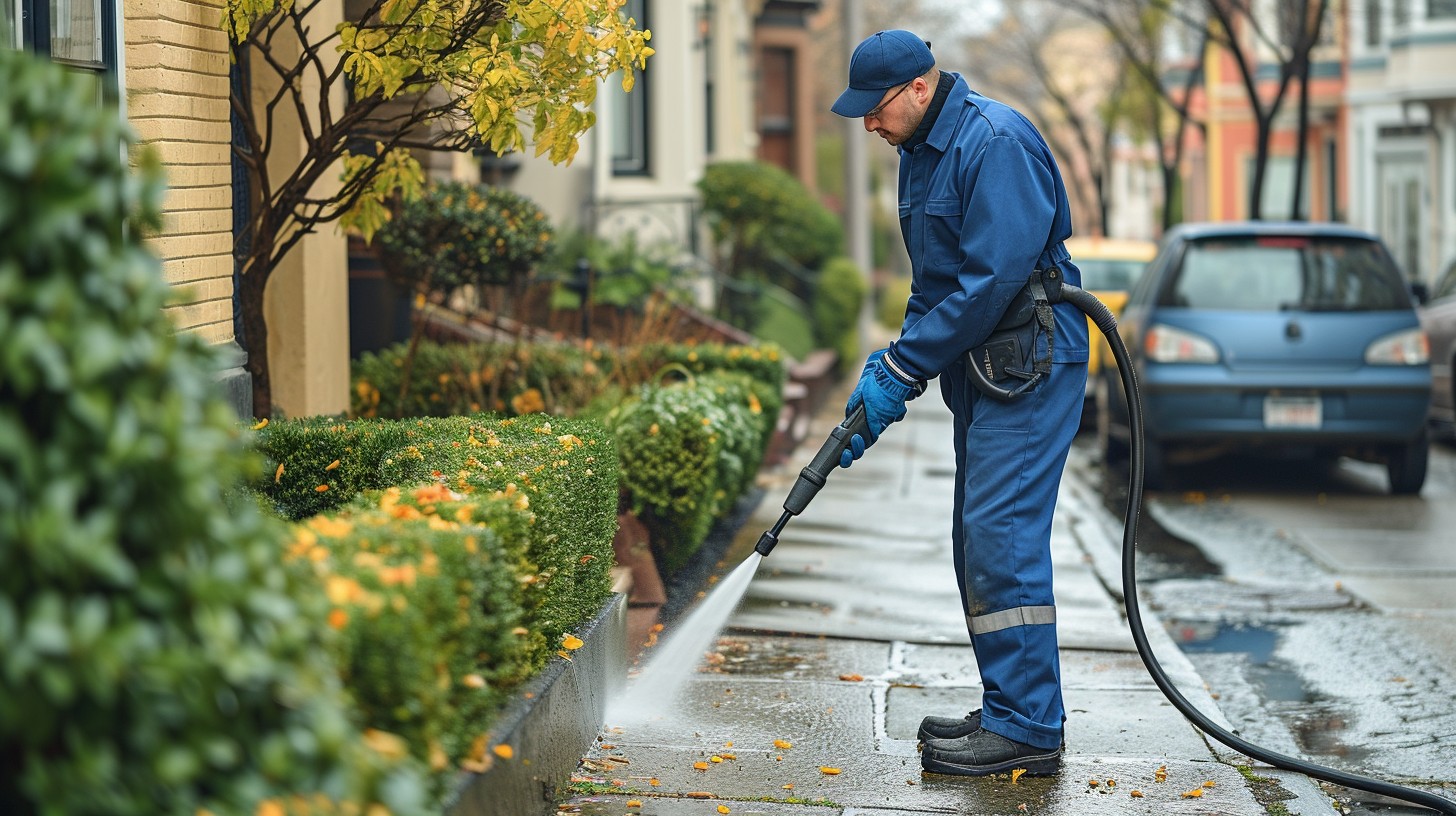
Pressure washing uses pressurized water to clean exterior surfaces.
It is commonly used for:
- Driveways
- Concrete walkways
- Patios
- Sidewalks
- Some fences
- Other durable hard surfaces
Professional pressure washing in Glen Allen can help remove:
- Dirt
- Green algae
- Mildew
- Tire marks
- Surface grime
- General outdoor buildup
The pressure should always be adjusted based on the material.
What Is Power Washing?
Power washing is similar to pressure washing, but it generally uses heated water.
That added heat can help loosen:
- Grease
- Oil
- Heavy grime
- Certain stubborn stains
- Commercial buildup
Power washing can be useful for durable surfaces with greasy or heavy contamination.
However, heated water is not necessary for every residential cleaning job.
Pressure Washing vs Power Washing: What’s the Main Difference?
The simplest difference is:
Pressure washing: Pressurized water
Power washing: Pressurized water + heat
Both can be effective, but one is not automatically better than the other.
For example:
- A driveway may only need pressure washing
- A greasy hard surface may benefit from power washing
- House siding may be better suited to soft washing
The surface should determine the cleaning method.
Which Is Better for Glen Allen Homes?
For most Glen Allen homes, pressure washing is useful for durable exterior surfaces, while lower-pressure methods are often better for siding and other delicate materials.
A typical home may need:
- Pressure washing for the driveway
- Soft washing for siding
- Lower-pressure cleaning for a wood deck
- Surface-specific cleaning for fences
The goal is not to use the strongest possible pressure.
The goal is to clean the property effectively without causing unnecessary damage.
Is Pressure Washing Good for Driveways?
Yes.
Concrete driveways are one of the most common surfaces for professional pressure washing.
Over time, they can collect:
- Dirt
- Tire marks
- Algae
- Mildew
- Organic debris
- Dark staining
Controlled pressure washing can help restore a cleaner, brighter appearance.
If oil or grease is present, additional treatment may be required.
Is Power Washing Better for Oil and Grease?
It can be.
Because power washing uses heated water, it may help loosen certain greasy or oily residues.
This can be useful for:
- Garage-adjacent concrete
- Commercial surfaces
- Service areas
- Parking areas
- Grease-prone hard surfaces
However, not every stain requires heat.
The condition and material should always be evaluated first.
Should House Siding Be Pressure Washed?
House siding needs more caution than concrete.
Using too much pressure can potentially:
- Force water behind siding
- Damage finishes
- Loosen panels
- Strip paint
- Affect seals around windows and doors
For that reason, siding is often better cleaned using soft washing.
A professional Glen Allen exterior cleaning service should choose the method according to the siding material and condition.
What Is Soft Washing?
Soft washing uses lower water pressure combined with cleaning solutions.
It is commonly used for:
- Vinyl siding
- Painted surfaces
- Delicate exterior materials
- Areas affected by algae and mildew
Instead of relying mainly on water force, the cleaning solution helps loosen and treat the buildup before rinsing.
Pressure Washing vs Soft Washing
For residential properties, this distinction is important.
Pressure Washing Is Often Better For:
- Concrete
- Driveways
- Walkways
- Sidewalks
- Durable patios
Soft Washing Is Often Better For:
- House siding
- Painted surfaces
- Delicate exterior finishes
- Algae-covered siding
- Mildew buildup
A professional Glen Allen pressure washing service may use both methods during the same visit.
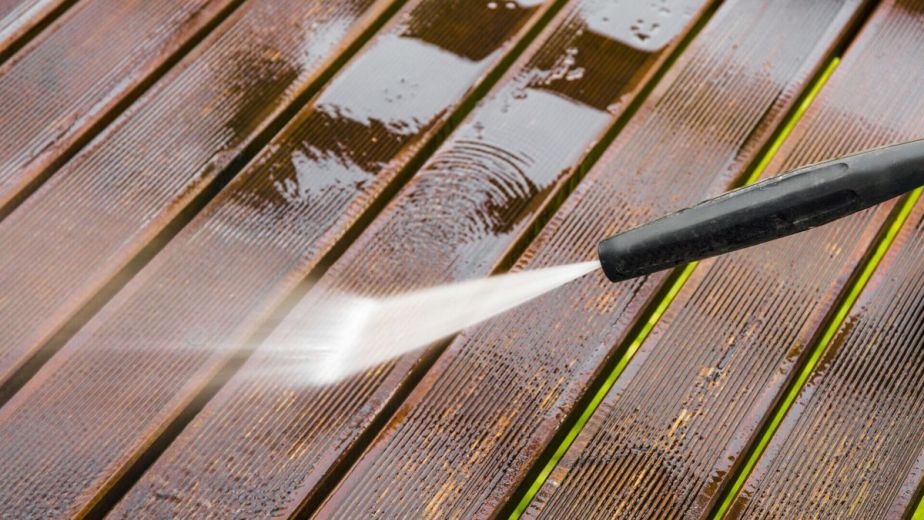
Which Method Is Better for Decks?
Decks require careful cleaning.
Too much pressure on wood can:
- Raise the grain
- Cause splintering
- Leave visible lines
- Damage softer areas
The proper method depends on:
- Deck material
- Age
- Surface condition
- Existing coating
- Algae or mildew buildup
Lower-pressure cleaning is often more appropriate than aggressive washing.
Which Method Is Better for Fences?
It depends on the material.
Wood Fences
Wood generally needs controlled pressure and careful technique.
Vinyl Fences
Vinyl may respond well to lower-pressure cleaning combined with a suitable cleaning solution.
The goal is to remove buildup without damaging the surface.
Which Is Better for Patios and Walkways?
Concrete patios and walkways are usually good candidates for pressure washing.
These areas can collect:
- Dirt
- Green algae
- Dark staining
- Organic buildup
- Foot-traffic grime
Controlled pressure washing can help improve their appearance.
Why Glen Allen Homes Develop Algae and Mildew
Exterior buildup is often caused by environmental conditions such as:
- Moisture
- Rain
- Shade
- Trees
- Pollen
- Organic debris
- Limited sunlight
Shaded surfaces may stay damp longer after rain, creating conditions where algae and mildew can develop more easily.
Homes surrounded by mature trees may also collect more pollen and debris.
Can Pressure Washing Remove Green Algae?
Yes, but the correct method depends on the surface.
For concrete, controlled pressure washing may work well.
For siding, soft washing is often more appropriate because it treats the organic growth without relying on excessive pressure.
Can Pressure Washing Damage a Home?
Yes, if it is used incorrectly.
Potential problems include:
- Damaged siding
- Etched concrete
- Splintered wood
- Stripped paint
- Water intrusion
Damage usually happens because of:
- Excessive pressure
- The wrong nozzle
- Holding the wand too close
- Using high pressure on delicate surfaces
Professional cleaning should always begin by identifying the material.
Can Power Washing Cause Damage?
Yes.
Because power washing combines pressure and heat, it also needs to be used carefully.
Some surfaces, coatings, sealants, and finishes may not respond well to excessive heat or pressure.
Power washing should be used where it provides a real advantage.
How Often Should Glen Allen Homes Be Pressure Washed?
For many homes, exterior cleaning every 12 to 18 months is a reasonable starting point.
Some properties may need cleaning sooner if they have:
- Heavy shade
- Tree coverage
- Persistent moisture
- Recurring algae
- Mildew
- Dark concrete
- Heavy pollen
The actual condition of the property should guide the schedule.
Is Pressure Washing Better for Residential Properties?
Pressure washing is very useful for many hard residential surfaces.
It is commonly used for:
- Driveways
- Walkways
- Concrete
- Patios
However, house siding, wood, and more delicate materials may need lower-pressure cleaning.
That means a complete residential cleaning job may use several methods.
What About Commercial Properties?
Commercial properties may also benefit from pressure washing or power washing depending on the surface.
Common commercial areas include:
- Storefront sidewalks
- Parking areas
- Building entrances
- Loading zones
- Concrete surfaces
- Walkways
Power washing may be useful where grease, oil, or heavy grime is present.
Which Method Is Better for Curb Appeal?
Both methods can improve curb appeal when used correctly.
Professional exterior cleaning can help refresh:
- Siding
- Driveways
- Walkways
- Decks
- Fences
- Patios
The key is using the correct method for each surface.
More pressure does not automatically mean better results.
Pressure Washing Before Selling a Glen Allen Home
Exterior cleaning can be useful before listing a property.
Potential buyers often notice:
- Dirty siding
- Dark driveways
- Stained walkways
- Green decks
- Weathered fences
Cleaning these areas before listing photos or showings can help the home look better maintained.
Which Cleaning Method Should You Choose?
A simple guideline is:
Choose Pressure Washing For:
- Concrete
- Driveways
- Walkways
- Sidewalks
- Durable patios
Consider Power Washing For:
- Greasy hard surfaces
- Oil-heavy areas
- Certain stubborn stains
- Some commercial applications
Consider Soft Washing For:
- House siding
- Painted surfaces
- Delicate materials
- Algae-covered siding
The correct choice depends on the surface and the problem being cleaned.
Questions to Ask a Pressure Washing Company
Before scheduling service, ask:
- Which method will you use?
- Do you offer soft washing?
- How do you determine pressure levels?
- How will siding and landscaping be protected?
- Are you insured?
- Can you clean multiple surface types?
A professional provider should be able to explain why a certain method is recommended.
Professional Pressure Washing in Glen Allen, VA
Pressure washing and power washing both have useful applications, but the better option depends on the property.
Curb Appeal Pressure Wash provides residential and commercial exterior cleaning for Glen Allen-area properties.
Services may include:
- House washing
- Driveway cleaning
- Walkway cleaning
- Deck cleaning
- Fence cleaning
- Concrete cleaning
- Commercial exterior cleaning
If your property has dirt, algae, mildew, grease, or staining, professional pressure washing in Glen Allen can help determine the safest and most effective cleaning method for each surface.
FAQs
What is the difference between pressure washing and power washing?
Pressure washing uses pressurized water, while power washing typically uses pressurized heated water.
Is pressure washing or power washing better for a Glen Allen home?
It depends on the surface. Pressure washing is often suitable for concrete, while siding may be better suited to soft washing.
Is power washing better for driveways?
Not always. Standard pressure washing may be enough for many driveways. Heated water can help with certain oil or grease stains.
Can pressure washing damage house siding?
Yes. Excessive pressure can damage siding or force water behind exterior materials.
Can pressure washing remove green algae?
Yes. Concrete can often be pressure washed, while siding affected by algae may be better cleaned using soft washing.
How often should Glen Allen homes be professionally cleaned?
Many homes can start with exterior cleaning every 12 to 18 months. Properties with heavy shade, trees, moisture, or recurring algae may need service sooner.