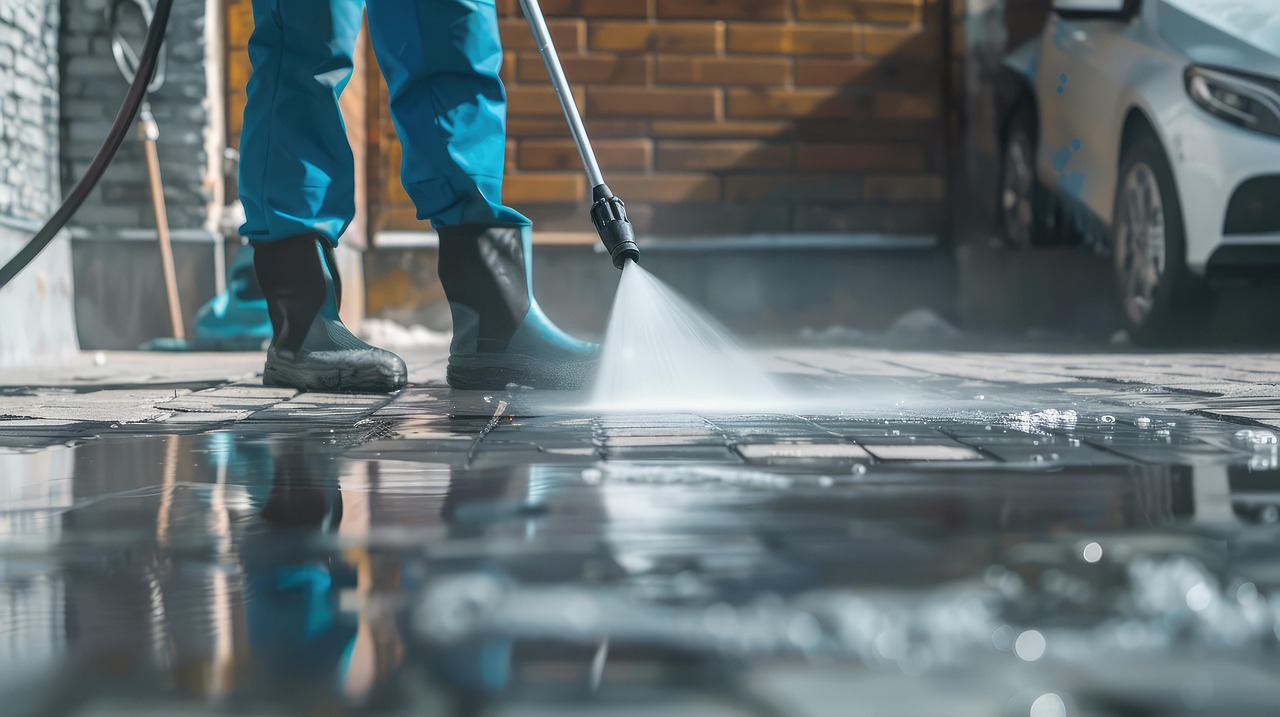
Vinyl siding is designed to withstand years of exposure to rain, wind, sunlight, and changing temperatures. However, that does not mean it can safely handle every pressure-washing method.
Yes, pressure washing can damage vinyl siding when the water pressure is too high, the nozzle is held too close, the spray is directed upward, or an unsuitable cleaning solution is used. Possible problems include cracked or loosened panels, streaking, discoloration, damaged seals, and water being forced behind the siding.
That does not mean vinyl siding should never be professionally cleaned. It means the cleaning method must be selected carefully. In many cases, a controlled soft-washing process is safer than using high pressure to blast dirt from the surface.
Homeowners in Richmond, Midlothian, and surrounding Virginia communities should understand the risks before renting a pressure washer or hiring an exterior-cleaning company.
Why Does Vinyl Siding Need Cleaning?
Vinyl siding is relatively low maintenance, but it still collects exterior buildup over time.
Common contaminants include:
- Dirt and dust
- Pollen
- Spiderwebs
- Algae
- Mold and mildew
- Bird droppings
- Insect residue
- Mud splashes
- Pollution and traffic residue
- Stains below gutters
- Organic debris from nearby trees
Shaded sections of a home may become dirty faster because they receive less sunlight and remain damp longer. Areas near shrubs, trees, gutters, downspouts, vents, and air-conditioning equipment may also develop more visible discoloration.
Periodic cleaning can improve the home’s appearance, but the Vinyl Siding Institute says vinyl siding generally needs only mild soap and water from a garden hose for routine maintenance.
How Can Pressure Washing Damage Vinyl Siding?
A pressure washer sends water through a narrow opening at substantial force. The actual impact on the siding depends on the machine, nozzle, distance, angle, and operator’s technique.
Several types of damage may occur when these factors are not properly controlled.
- Water Can Be Forced Behind the Siding
Vinyl siding is installed in overlapping horizontal courses. It is designed to shed rainwater that moves downward across the exterior.
A pressure washer can create a different situation. When the spray is aimed upward or directly into panel overlaps, corners, vents, and trim, water may be forced behind the siding.
CertainTeed warns that power washing vinyl or polymer siding can cause moisture intrusion, damage, and discoloration. The manufacturer recommends gentler cleaning methods instead.
Water trapped behind siding may affect:
- Wall sheathing
- Insulation
- House wrap
- Window and door openings
- Exterior caulking
- Wood framing
- Interior wall areas
Whether damage develops depends on the amount of water, condition of the wall assembly, drainage, and existing vulnerabilities. The important point is that siding should not be treated like a sealed concrete wall.
- High Pressure Can Crack or Break Panels
Vinyl siding can become more brittle as it ages or during colder weather. Panels that have already been weakened by impacts, improper installation, or prolonged exposure may be more vulnerable.
A concentrated stream can crack, puncture, or break the siding, particularly around:
- Panel edges
- Corners
- Fasteners
- Utility openings
- Window trim
- Existing cracks
- Previously repaired areas
Small cracks may not be obvious from the ground. However, they can allow moisture or insects to reach areas behind the siding.
Pressure should never be increased simply because a stain is difficult to remove. Stubborn discoloration often requires the correct cleaning treatment rather than a stronger water jet.
- Panels Can Become Loose or Dislodged
Vinyl siding is installed so that it can expand and contract as temperatures change. The panels interlock, but they are not intended to withstand a powerful upward or sideways water stream.
Aggressive cleaning may lift a panel from the course below it or loosen sections around trim. A disconnected panel may appear wavy, uneven, or open along the bottom edge.
Loose siding should be inspected and repaired rather than repeatedly sprayed back into position.
- The Surface Can Become Streaked or Discolored
Pressure-washing marks can occur when the operator:
- Holds the nozzle at different distances
- Moves the wand at inconsistent speeds
- Uses a narrow nozzle
- Stops the stream in one place
- Applies cleaning solution unevenly
- Allows a product to dry on the siding
- Fails to rinse thoroughly
These mistakes may leave clean lines beside dirty areas, creating an uneven or striped appearance.
CertainTeed recommends avoiding prolonged or high-pressure rinsing around ventilated areas and keeping cleaning products off surfaces that are not intended to be washed.
- Oxidized Siding Can Develop Visible Marks
Older vinyl siding may have a chalky surface caused by weathering and oxidation. This residue may transfer to a cloth or hand when the siding is rubbed.
Pressure washing oxidized siding inconsistently can create permanent-looking wand marks. Some passes may remove more oxidation than others, leaving light and dark sections.
Oxidation requires a careful and uniform process. Increasing pressure against visibly chalky siding can make the appearance worse.
A professional should test an inconspicuous area before cleaning the entire wall.
- Water Can Damage Window and Door Seals
A pressure washer does not affect only the siding. The stream may reach:
- Window seals
- Door frames
- Screens
- Caulking
- Weatherstripping
- Exterior trim
- Weep holes
- Flashing
Ply Gem specifically warns against using high-pressure water on certain window and door coatings because it can damage surfaces and crack or destroy surrounding caulking.
Even when the siding itself remains intact, water entering around a window or door may create an expensive problem.
- Nearby Electrical Components Can Be Exposed to Water
Exterior walls may contain:
- Electrical outlets
- Light fixtures
- Security cameras
- Doorbells
- Utility boxes
- Cable connections
- HVAC components
- Solar equipment
These areas should be identified and protected before washing begins. Directing pressurized water toward electrical equipment can create property damage and safety concerns.
Professional cleaning requires more than choosing a pressure setting. The technician must inspect the entire work area and account for vulnerable features.
- Cleaning Products Can Damage the Finish
Cleaning chemistry matters as much as water pressure.
A product that is too strong or unsuitable for vinyl may cause fading, spotting, discoloration, or damage to nearby materials. Mixing cleaning products can also create hazardous reactions.
Homeowners should never combine chemicals unless the product manufacturers specifically state that the combination is safe. The siding manufacturer’s care instructions should be followed before selecting any cleaner.
Cleaning solutions should also be kept away from surfaces for which they were not intended, including:
- Painted doors
- Metal fixtures
- Decorative finishes
- Outdoor furniture
- Certain windows
- Vehicles
- Plants
- Stonework
Test any unfamiliar product in a small, hidden area before applying it broadly.
- Landscaping Can Be Affected
The house is not the only part of the property that needs protection.
Cleaning solution and runoff may reach:
- Grass
- Flowers
- Shrubs
- Trees
- Mulch
- Vegetable gardens
- Ponds
- Outdoor pet areas
Nearby plants may need to be watered, covered, uncovered, and rinsed as appropriate for the products being used. The runoff path should also be considered before cleaning begins.
Curb Appeal Pressure Wash describes using lower-pressure house-washing techniques and cleaning agents intended to remove organic buildup without relying on aggressive pressure against siding.
Pressure Washing vs. Soft Washing Vinyl Siding
Although the terms are sometimes used interchangeably, pressure washing and soft washing are different approaches.
Pressure Washing
Pressure washing relies heavily on the mechanical force of water. It is commonly associated with durable surfaces such as:
- Concrete driveways
- Certain sidewalks
- Some brick surfaces
- Selected hardscape areas
Even durable surfaces can be damaged by incorrect pressure, but they usually tolerate more force than vinyl siding.
Soft Washing
Soft washing uses lower water pressure together with a cleaning solution selected for the type of surface and contamination.
The solution loosens or treats dirt and organic growth so the material can be rinsed away without blasting the siding.
A professional soft-washing process may involve:
- Inspecting the siding and surrounding property
- Identifying organic growth, stains, and oxidation
- Protecting plants, fixtures, and vulnerable openings
- Applying an appropriate cleaning solution
- Allowing suitable contact time
- Rinsing with controlled, low-pressure water
- Inspecting the siding after cleaning
Curb Appeal Pressure Wash states that its soft-washing service uses lower pressure on siding to reduce the risk of damage while allowing cleaning agents to address stains, mold, and mildew.
Is Soft Washing Completely Risk-Free?
No exterior-cleaning method is risk-free.
Soft washing can still cause problems when:
- The wrong cleaning solution is used
- The mixture is too strong
- Plants are not protected
- The product dries on the siding
- Windows or doors are not properly sealed
- Existing damage is ignored
- The solution reaches incompatible materials
- The rinse is incomplete
- The operator applies the solution unevenly
“Low pressure” does not automatically mean “safe.” The process still requires surface knowledge, preparation, appropriate chemistry, and controlled application.
Do All Vinyl-Siding Manufacturers Give the Same Advice?
No. Manufacturer recommendations can differ.
CertainTeed advises against power washing its vinyl and polymer siding because of the possibility of moisture intrusion, damage, or discoloration. It recommends mild soap, a soft brush, and a garden hose for routine cleaning.
Ply Gem provides instructions for pressure washing some of its siding products, including holding the washer straight rather than aiming upward and using a wide-angle tip within a specified pressure range.
Because recommendations vary, homeowners should:
- Identify the siding manufacturer when possible
- Review the product’s care instructions
- Check warranty restrictions
- Avoid assuming one pressure setting is safe for every brand
- Tell the cleaning company about any known siding details
The safest process is the one that follows the requirements for the specific product installed on the home.
Should You Pressure Wash Vinyl Siding Yourself?
DIY cleaning may look simply, but the risks increase when the homeowner is unfamiliar with the equipment or cannot safely reach upper sections.
Before attempting the project, consider:
- The age and condition of the siding
- The manufacturer’s instructions
- The height of the home
- Nearby electrical components
- Window and door seals
- Existing cracks or loose panels
- Oxidation
- Landscaping
- The type of staining
- Your experience using the equipment
A pressure washer should not be used from an unstable ladder. The force of the machine can affect balance, while wet surfaces create additional hazards.
Homeowners should also avoid cleaning areas that require reaching over roofs, leaning from windows, or working near overhead electrical lines.
Common DIY Vinyl-Siding Cleaning Mistakes
Using Maximum Pressure
More pressure does not necessarily mean a cleaner surface. It may simply increase the chance of damage.
Holding the Nozzle Too Close
Moving closer concentrates, the water force into a smaller area. This can create marks, cracks, or water intrusion.
Spraying Upward
An upward angle can direct water beneath overlapping siding panels. Manufacturers that permit pressure washing generally warn against aiming the stream upward.
Using a Narrow Spray Tip
A narrow nozzle creates a concentrated stream that may damage the siding or surrounding features.
Cleaning Random Spots
Treating only visible patches may create uneven areas. The complete wall section should be cleaned consistently.
Ignoring Oxidation
Chalky siding requires special attention. Pressure washing one section more aggressively than another may leave permanent-looking lines.
Allowing Cleaning Solution to Dry
Products that dry on the siding may create streaks or residue. Work should be divided into manageable sections.
Failing to Protect Openings
Windows, doors, vents, outlets, cameras, and utility areas should be identified before any water is applied.
Mixing Cleaning Chemicals
Some products should never be combined. Follow label directions and avoid improvised chemical mixtures.
Signs Your Vinyl Siding May Need Professional Cleaning
Consider scheduling professional house washing when you notice:
- Green or black growth
- Heavy pollen buildup
- Widespread mildew
- Dark areas below gutters
- Dirty siding that cannot be reached safely
- Stains affecting several sides of the home
- Visible buildup before listing the property
- A need to clean before another exterior project
- Previous pressure-washing marks
- Chalky or oxidized panels
Curb Appeal Pressure Wash serves homeowners in Midlothian, Richmond, Chesterfield County, Henrico County, Mechanicsville, Tuckahoe, and surrounding Virginia areas. Its exterior-washing services include siding cleaning and soft washing.
When Should Vinyl Siding Not Be Washed Immediately?
Cleaning may need to be postponed when:
- Temperatures are near freezing
- Severe storms or high winds are expected
- Panels are loose or cracked
- Windows or doors have failed seals
- Electrical components are exposed
- The siding is undergoing repair
- Fresh construction materials have not cured
- The manufacturer advises against the proposed method
- Unknown coatings or treatments are present
Existing damage should be documented and discussed before the service begins.
Can Pressure Washing Void a Siding Warranty?
Potentially. Warranty terms vary by manufacturer and product.
Using a cleaning process that conflicts with the manufacturer’s care instructions may affect a future claim, particularly when the method causes visible damage or moisture intrusion.
Before cleaning, review:
- Product-care instructions
- Warranty exclusions
- Approved cleaning products
- Pressure-washing restrictions
- Required nozzle or pressure guidance
- Instructions for mold and mildew treatment
Keep records showing how the siding was maintained, especially when it is relatively new or still under warranty.
Can Pressure Washing Remove Every Vinyl-Siding Stain?
No. Different stains require different treatments.
Common siding discoloration may come from:
- Algae
- Mold or mildew
- Rust
- Oxidation
- Paint
- Asphalt
- Insect activity
- Irrigation water
- Artillery fungus
- Tree sap
- Caulking
- Pesticide residue
Ordinary house washing may significantly improve dirt and organic buildup without removing every mark. Rust, oxidation, paint, and deeply embedded stains may require specialized treatment.
A trustworthy company should set realistic expectations instead of promising that every stain will disappear.
How Often Should Vinyl Siding Be Cleaned?
There is no universal schedule for every home. The Vinyl Siding Institute describes vinyl as requiring periodic cleaning with mild soap and water, while the ideal frequency depends on the property’s environment.
A home may need cleaning more frequently when it has:
- Heavy tree coverage
- Significant shade
- Persistent moisture
- Poor airflow
- High pollen exposure
- Nearby construction
- A busy road nearby
- Recurring algae or mildew
- Irrigation spraying against the siding
- Visible gutter overflow
Instead of relying only on a fixed calendar, inspect the siding periodically and schedule cleaning when meaningful buildup appears.
What Should Homeowners Ask a House-Washing Company?
Before hiring an exterior cleaner, ask:
- Are you licensed and insured?
- Do you use pressure washing or soft washing on vinyl siding?
- How do you determine the correct cleaning method?
- Will you inspect for cracks, oxidation, and loose panels?
- Which cleaning products will you use?
- How will plants and outdoor fixtures be protected?
- How will windows, doors, vents, and outlets be handled?
- Do you follow manufacturer instructions?
- What results are realistic for the existing stains?
- Can you provide examples of similar work?
- What is included in the estimate?
- What preparation is required before the appointment?
The contractor should be able to explain the process clearly rather than simply promising to “blast the siding clean.”
How to Prepare for Professional Siding Cleaning
The company may ask you to:
- Close all windows and doors
- Move vehicles away from the home
- Remove lightweight decorations
- Bring outdoor cushions inside
- Secure pets indoors
- Unlock gates
- Identify damaged siding
- Point out leaking windows or doors
- Move fragile plants or furniture
- Keep people away from the active work area
- Confirm access to an exterior water source
Preparation helps the crew work efficiently and reduces the likelihood of avoidable property damage.
What Should You Check After the Cleaning?
Once the siding and surrounding areas have dried, inspect:
- Panel alignment
- Corners and trim
- Window and door areas
- Exterior outlets
- Light fixtures
- Vents
- Landscaping
- Previously stained sections
- Areas below gutters
- Any locations that had existing damage
Some siding may appear darker while wet, so allow sufficient drying time before judging the final color.
Contact the cleaning company promptly when you notice a concern.
Frequently Asked Questions
Can vinyl siding be cleaned without a pressure washer?
Yes. Mild soap, a soft brush, and a garden hose may be sufficient for routine dirt, depending on the manufacturer’s instructions. CertainTeed and the Vinyl Siding Institute identify gentle soap-and-water methods for periodic cleaning.
Is soft washing better than pressure washing for vinyl siding?
Soft washing is frequently the preferred professional approach because it relies on lower pressure and an appropriate cleaning solution. However, the specific siding manufacturer’s care instructions should guide the final method.
Can pressure washing cause mold behind siding?
Pressure washing can force water behind panels when the stream is too strong or aimed upward. Whether mold develops depends on how much moisture enters, how quickly it dries, and the condition of the wall assembly. CertainTeed identifies moisture intrusion as a reason it does not recommend power washing its vinyl or polymer siding.
Can high pressure remove the color from vinyl siding?
Aggressive cleaning can cause visible discoloration or uneven marks, particularly on oxidized, weathered, or previously damaged siding. Cleaning products may also affect the appearance when they are unsuitable or improperly used.
Can you pressure wash siding from a ladder?
Using a pressure washer from a ladder can be hazardous because the force of the spray may affect balance. Safer professional equipment and ground-based cleaning methods may be preferable for upper sections.
Will house washing remove green algae?
An appropriate house-washing process can improve or remove many forms of green organic buildup. Results depend on the contaminant, surface condition, cleaning solution, and application method.
Should damage siding be cleaned?
Loose, cracked, or damaged siding should be identified before cleaning. Some repairs may need to be completed first to prevent water intrusion or additional damage.
Protect Your Vinyl Siding with the Right Cleaning Method
Vinyl siding can be damaged by excessive pressure, an aggressive nozzle, improper chemicals, poor spray direction, or an inexperienced operator. The most important decision is not whether the machine is called a pressure washer—it is whether the process is appropriate for the siding.
Professional house washing should begin with an inspection and account for the siding manufacturer, panel condition, stains, oxidation, windows, doors, landscaping, electrical features, and surrounding materials.
Curb Appeal Pressure Wash provides exterior house washing and soft-washing services for homeowners in Midlothian, Richmond, Chesterfield County, Henrico County, Mechanicsville, Tuckahoe, and nearby areas.
Request a House-Washing Estimate
Is your vinyl siding covered in dirt, pollen, algae, mold, or mildew?
Contact Curb Appeal Pressure Wash to request a free estimate. The team can evaluate the siding and recommend a controlled cleaning method based on the property’s condition.