Yes, pressure washing can damage commercial concrete if too much pressure is used or the surface is already weak, cracked, or deteriorated.
Concrete is much tougher than wood or siding, but it is not indestructible. Improper cleaning can cause etching, visible lines, surface wear, or damage around cracks and joints.
For businesses using Commercial Pressure Washing Richmond VA services, the goal should be to clean concrete effectively without using more pressure than the surface can safely handle.
How Can Pressure Washing Damage Commercial Concrete?
Common problems caused by improper pressure washing include:
- Surface etching
- Visible cleaning lines
- Damage around cracks
- Worn surface texture
- Loose material around joints
- Uneven appearance
These issues are more likely when the operator uses excessive pressure or holds the nozzle too close to the surface.
What Is Concrete Etching?
Concrete etching happens when high-pressure water removes or damages part of the surface layer.
This may leave:
- Light lines
- Dark-and-light streaks
- Rough patches
- Uneven texture
Etching can be especially noticeable on large commercial sidewalks, parking areas, and entryways.
Can Too Much Pressure Leave Lines in Concrete?
Yes.
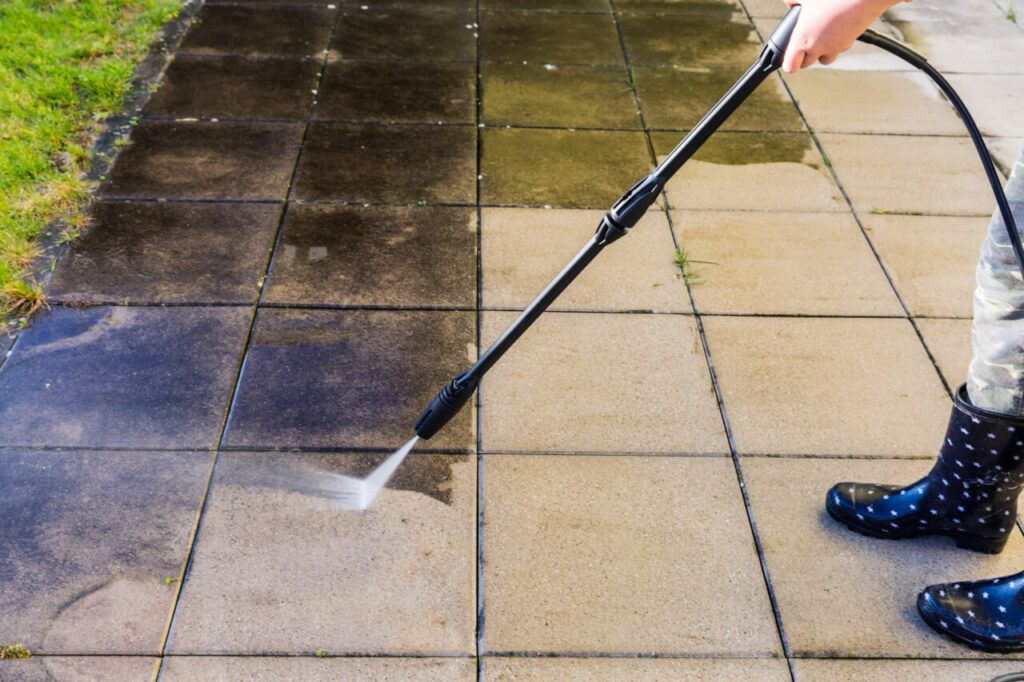
If the pressure washer is moved inconsistently, the surface may develop visible marks.
These can appear as:
- Stripes
- Wand marks
- Overlapping lines
- Uneven cleaning patterns
A professional cleaner should use consistent technique to avoid this.
Are Older Concrete Surfaces More Vulnerable?
Yes.
Older commercial concrete may already have:
- Cracks
- Surface wear
- Weak sections
- Previous repairs
- Weather damage
Aggressive pressure can make these areas worse.
The surface should be inspected before cleaning begins.
Can Pressure Washing Make Concrete Cracks Worse?
It can.
High-pressure water directed into existing cracks may:
- Remove loose material
- Widen weakened areas
- Damage edges
- Expose deteriorated sections
That is why cracked concrete should be cleaned carefully.
Can Pressure Washing Damage Concrete Joints?
Yes.
Expansion joints and control joints can be more vulnerable than the main concrete surface.
Too much pressure may disturb:
- Joint material
- Loose debris
- Sealant
- Weak edges
Professional commercial pressure washing in Richmond should take extra care around these areas.
Is New Concrete Safe to Pressure Wash?
New concrete requires special care.
Concrete needs time to cure before being exposed to aggressive cleaning.
Pressure washing concrete too soon may damage the surface.
Property managers should follow the concrete contractor’s curing and maintenance recommendations before scheduling pressure washing.
Is High Pressure Always Needed for Commercial Concrete?
No.
Higher pressure does not automatically mean better cleaning.
Many commercial surfaces can be cleaned more effectively by combining:
- Appropriate cleaning solutions
- Pre-treatment
- Controlled pressure
- Surface cleaning equipment
- Proper rinsing
This can reduce the need for aggressive pressure.
What Is a Surface Cleaner?
A surface cleaner is equipment designed to clean broad flat surfaces more evenly.
It is commonly used on:
- Sidewalks
- Parking areas
- Concrete pads
- Walkways
- Commercial entryways
Compared with using a pressure wand alone, it can help provide a more consistent finish when used correctly.
Can Pressure Washing Remove Oil from Commercial Concrete?
It can help, but oil stains may require additional treatment.
Commercial concrete can absorb:
- Motor oil
- Grease
- Vehicle fluids
These stains may need:
- Degreaser
- Pre-treatment
- Dwell time
- Controlled pressure washing
Older stains may not always disappear completely.
What About Grease on Restaurant Concrete?
Restaurant properties often have grease-prone areas such as:
- Dumpster pads
- Loading zones
- Back entrances
- Outdoor service areas
These surfaces may require more frequent cleaning and stronger treatment than ordinary dirt.
The solution should target the grease instead of relying only on high pressure.
Can Pressure Washing Remove Tire Marks?
It can help.
Tire marks are common in:
- Parking lots
- Drive lanes
- Loading areas
Some marks may require pre-treatment before pressure washing.
This is especially relevant for parking lot cleaning Richmond VA projects.
Can Pressure Washing Remove Gum from Concrete?
Yes, in many cases.
Commercial sidewalks and storefronts often collect gum in high-traffic areas.
Gum removal may require:
- Heat
- Cleaning solution
- Focused treatment
- Controlled pressure
It can take more work than ordinary dirt removal.
Can Pressure Washing Remove Green Algae from Concrete?
Yes.
Green algae commonly develop on damp, shaded commercial surfaces.
Examples include:
- Sidewalks
- Entryways
- Curbs
- Walkways
Cleaning solutions can help loosen organic growth before rinsing.
Why Do Richmond Commercial Concrete Surfaces Turn Dark?
Dark concrete can result from:
- Dirt
- Tire residue
- Oil
- Grease
- Algae
- Mildew
- Organic debris
- Heavy traffic
The cause of the staining should be considered before choosing the cleaning method.
Is Soft Washing Used on Concrete?
Soft washing is more commonly associated with delicate surfaces, but lower-pressure cleaning and chemical treatment can still play a role on concrete.
The cleaning method should match the type of buildup.
For example, algae may respond well to treatment, while heavy traffic grime may require stronger mechanical cleaning.
Is Pressure Washing Safe for Commercial Sidewalks?
Generally, yes, when used correctly.
Commercial sidewalks are commonly pressure washed.
However, care is needed around:
- Cracks
- Joints
- Weak edges
- Repairs
- Older concrete
The operator should adjust pressure based on surface condition.
Is Pressure Washing Safe for Parking Lots?
It can be.
Parking lots often need cleaning because of:
- Tire marks
- Oil
- Grease
- Dirt
- Vehicle fluids
For parking lot cleaning Richmond VA, the cleaning approach should take into account:
- Surface condition
- Stain type
- Traffic
- Cracks
- Drainage
Can Frequent Pressure Washing Wear Down Concrete?
Potentially, yes, especially if aggressive settings are used repeatedly.
Commercial concrete does not need maximum pressure every time it is cleaned.
A maintenance plan should focus on:
- Appropriate frequency
- Correct treatment
- Controlled pressure
- Surface condition
How Often Should Commercial Concrete Be Pressure Washed?
For many businesses, every 6 to 12 months is a practical starting point.
High-traffic surfaces may need more frequent cleaning.
Examples include:
- Restaurant sidewalks
- Retail entryways
- Busy parking areas
- Apartment walkways
- Loading zones
The actual condition of the surface should guide the schedule.
What Are the Signs Commercial Concrete Needs Cleaning?
Look for:
- Dark staining
- Green algae
- Gum
- Tire marks
- Oil
- Grease
- General grime
- Uneven discoloration
These signs are more useful than following a rigid calendar alone.
How Can Pressure Washing Damage Be Avoided?
A safer commercial cleaning process includes:
- Inspecting the concrete first
- Identifying cracks and weak areas
- Using appropriate pressure
- Selecting the correct equipment
- Applying the right cleaning solution
- Keeping the equipment moving consistently
- Avoiding aggressive treatment around joints
This helps reduce the risk of surface damage.
Should a Test Area Be Cleaned First?
Yes, especially on older or unusual concrete.
A small test area can help determine:
- Whether the surface is stable
- What pressure level is appropriate
- Whether treatment is effective
- Whether visible markings are likely
Testing can prevent larger problems.
Should Commercial Property Managers Hire a Professional?
For large commercial surfaces, professional cleaning can be a better choice because the job may involve:
- Large square footage
- Heavy stains
- Grease
- Oil
- Gum
- Traffic management
- Specialized equipment
A professional should understand how to clean efficiently while protecting the surface.
What About Commercial Pressure Washing in Midlothian?
The same principles apply to commercial pressure washing Midlothian.
Commercial concrete should be cleaned according to:
- Surface condition
- Age
- Staining
- Traffic
- Existing cracks
- Type of buildup
The location does not change the need for controlled cleaning.
Can Regular Concrete Cleaning Improve Curb Appeal?
Yes.
Clean concrete can help:
- Brighten sidewalks
- Refresh parking areas
- Improve entryways
- Reduce dark staining
- Make the property look better maintained
For customer-facing businesses, this can improve first impressions.
Professional Commercial Pressure Washing in Richmond, VA
Pressure washing can damage commercial concrete when used incorrectly, but the right technique can clean the surface effectively while reducing risk.
Curb Appeal Pressure Wash provides professional Commercial Pressure Washing Richmond VA services for commercial properties.
Services may include:
- Sidewalk cleaning
- Parking lot cleaning
- Entryway cleaning
- Concrete cleaning
- Storefront cleaning
- Building exterior cleaning
- Loading-area cleaning
If your commercial concrete has dirt, algae, grease, tire marks, oil, or dark staining, professional commercial pressure washing in Richmond can help restore a cleaner appearance using a method appropriate for the surface.
For vehicle-heavy properties, parking lot cleaning Richmond VA can also be included in a broader commercial maintenance plan.
FAQs
Can pressure washing damage commercial concrete?
Yes. Excessive pressure can cause etching, visible lines, and damage around cracks or weak areas.
Is pressure washing safe for commercial sidewalks?
Generally, yes, when the pressure and technique are appropriate for the surface condition.
Can pressure washing damage concrete cracks?
It can make weak areas worse if high pressure is directed into existing cracks.
Can pressure washing remove oil from commercial concrete?
It can help, but oil often requires pre-treatment or degreasing before washing.
How often should commercial concrete be pressure washed?
Many properties can start with cleaning every 6 to 12 months, although high-traffic areas may need service more often.
Is high pressure always necessary for concrete?
No. Cleaning solutions, pre-treatment, and surface-cleaning equipment can reduce the need for aggressive pressure.