
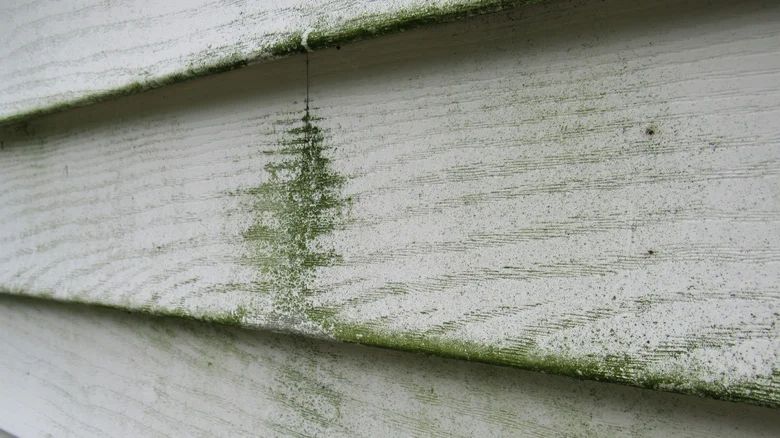
Green algae on siding is a common exterior-cleaning problem for homeowners in Midlothian. It often starts as a light green film in shaded areas and gradually becomes more noticeable as moisture, humidity, and organic buildup increase.
While algae can make a home look neglected, it is usually a sign that the exterior is holding moisture and collecting environmental debris. The good news is that it can often be removed safely with the right cleaning method.
For homeowners concerned about exterior buildup, understanding why algae grows on siding is the first step toward keeping the property cleaner for longer.
Why Does Green Algae Grow on House Siding?
Algae thrive where moisture and shade are present.
In Midlothian, several conditions can encourage algae growth on exterior surfaces:
- Humidity
- Frequent rain
- Shaded siding
- Nearby trees and landscaping
- Limited airflow
- Pollen and organic debris
- Moisture that remains on the surface
North-facing or heavily shaded sections of a home often develop green staining faster because they receive less direct sunlight and take longer to dry.
Is Green Algae the Same as Mold or Mildew?
Not exactly.
Green discoloration on siding is often algae, while mold and mildew can appear darker, black, gray, or sometimes white depending on the surface and conditions.
All three can develop in damp environments, which is why homeowners sometimes use the terms interchangeably.
A professional exterior cleaner can evaluate the buildup and choose a cleaning approach appropriate for the surface.
Why Midlothian Homes Can Develop Algae Quickly
Local weather conditions can contribute to exterior staining.
Warm temperatures combined with moisture can create an environment where organic growth develops more easily.
Homes may be particularly vulnerable when they have:
- Mature trees close to the house
- Siding that stays shaded most of the day
- Poor drainage around the property
- Gutters that overflow or leak
- Landscaping positioned close to exterior walls
- Areas with limited airflow
Even a well-maintained home can develop algae under the right conditions.
What Parts of a Home Are Most Likely to Develop Green Algae?
Algae can appear on many exterior surfaces, including:
Vinyl Siding
Vinyl siding commonly develops green staining in shaded or damp areas.
Brick
Brick can collect organic growth in porous areas, particularly where moisture remains trapped.
Concrete
Driveways, patios, and walkways may develop green or dark algae, especially in shaded sections.
Decks
Wood and composite decking can also develop algae where moisture and debris collect.
Fences
Fences near trees, shrubs, or damp landscaping often show staining over time.
Because each material reacts differently to cleaning, the same pressure level should not be used everywhere.
Can You Prevent Algae from Growing on Siding?
You may not be able to prevent algae completely, but you can reduce conditions that encourage it.
Helpful steps include:
- Keeping gutters clean
- Trimming trees and shrubs away from the house
- Improving airflow around shaded walls
- Reducing constant moisture around the foundation
- Rinsing heavy pollen or debris when appropriate
- Scheduling professional exterior cleaning when buildup becomes visible
Regular maintenance can help prevent light algae from becoming a much heavier layer.
Should You Pressure Wash Green Algae Off Siding?
This is where homeowners need to be careful.
Using excessive pressure directly on siding can potentially cause problems such as:
- Water intrusion
- Surface damage
- Loose siding
- Damage to painted finishes
- Marks caused by incorrect nozzle distance
For many siding materials, soft washing is a safer approach than aggressive pressure washing.
Soft washing uses lower pressure along with cleaning solutions designed to loosen and remove organic buildup.
Why Soft Washing Is Often Better for House Siding
Soft washing is commonly used on siding because it focuses on cleaning the surface without relying entirely on force.
It can be effective for removing:
- Green algae
- Mildew
- Mold-related buildup
- Dirt
- Organic staining
The cleaning solution helps break down the buildup, while lower water pressure reduces the risk of damaging the siding.
For homeowners considering professional exterior cleaning in Midlothian, the method should always be matched to the surface rather than assuming high pressure is best.
Can Algae Damage Your Home?
Algae is usually more of an appearance and maintenance issue than an immediate structural problem, but heavy buildup should not simply be ignored.
Over time, exterior growth can:
- Make siding look older
- Hold moisture against surfaces
- Increase staining
- Make outdoor surfaces slippery
- Reduce curb appeal
- Make future cleaning more difficult
Keeping exterior surfaces clean can help maintain the appearance of the home and prevent buildup from becoming severe.
How Often Should You Clean Algae from Siding?
There is no single schedule that works for every Midlothian home.
Some homes may remain relatively clean for more than a year, while heavily shaded properties may develop visible algae much sooner.
Consider cleaning when you notice:
- Green streaks or patches
- Dark staining
- Buildup returning after previous cleaning
- Increased moisture around the siding
- A noticeable decline in curb appeal
Many homeowners use annual or 12-to-18-month exterior cleaning as a practical starting point, but visible conditions should guide the final decision.
Is DIY Algae Removal a Good Idea?
Homeowners sometimes try to remove algae themselves using rented pressure washers or household cleaning products.
The main risk is using:
- Too much pressure
- The wrong cleaning solution
- Incorrect nozzle distance
- Harsh chemicals around plants
- Unsafe ladder positioning
Professional cleaning may be a better option when algae covers large sections of siding, the home has multiple stories, or you are unsure whether the material should be pressure washed or soft washed.
What Is the Best Way to Remove Green Algae from Siding?
For many residential properties, the safest process involves:
- Inspecting the siding
- Identifying the type and severity of buildup
- Protecting nearby landscaping
- Applying an appropriate cleaning solution
- Allowing the solution to work
- Using controlled low-pressure rinsing where appropriate
The goal is not simply to blast the algae away. It is to clean the surface effectively while protecting the siding.
Green Algae vs Dirt: How Can You Tell the Difference?
Dirt usually creates a dusty, brown, or gray appearance.
Algae often looks:
- Green
- Slippery
- Streaky
- Patchy
- More concentrated in shaded areas
If the green color returns repeatedly in the same damp sections, organic growth is likely involved.
Can Professional Cleaning Improve Curb Appeal?
Yes.
Green siding can make even a well-maintained property look tired.
Cleaning the exterior can help:
- Brighten siding
- Remove visible organic buildup
- Refresh the overall appearance
- Improve first impressions
- Make other exterior features look cleaner
For homeowners considering selling, entertaining, or simply maintaining the property, exterior cleaning can make a noticeable visual difference.
Professional Pressure Washing and Soft Washing in Midlothian, VA
If green algae are spreading across your siding, the right solution depends on the material and severity of the buildup.
Curb Appeal Pressure Wash provides residential exterior cleaning services for Midlothian homeowners, including cleaning methods selected for siding, concrete, decks, fences, walkways, and other surfaces.
For delicate areas such as house siding, a lower-pressure cleaning approach may be recommended, while more durable surfaces may benefit from controlled pressure washing.
If you are unsure what your home needs, professional pressure washing in Midlothian can help determine the safest and most effective cleaning method for the property.
FAQs
Why is the siding on my house turning green?
Green staining is often caused by algae growing in damp, shaded areas where moisture remains on the siding.
Do green algae mean my siding is damaged?
Not necessarily. Algae is often a surface-cleaning issue, although heavy or persistent buildup should be addressed.
Can pressure washing remove algae from siding?
It can, but siding often requires a gentler approach. Soft washing may be safer for many residential siding materials.
Why do algae grow more on one side of my house?
The side receiving less sunlight often stays damp longer, creating better conditions for algae growth.
How often should Midlothian homeowners clean their siding?
Many homes can be evaluated every 12 to 18 months, but shaded or moisture-prone properties may need cleaning sooner.
Can trimming trees help reduce algae?
Yes. Improving sunlight and airflow around the siding may help surfaces dry faster and reduce conditions that encourage algae growth.