
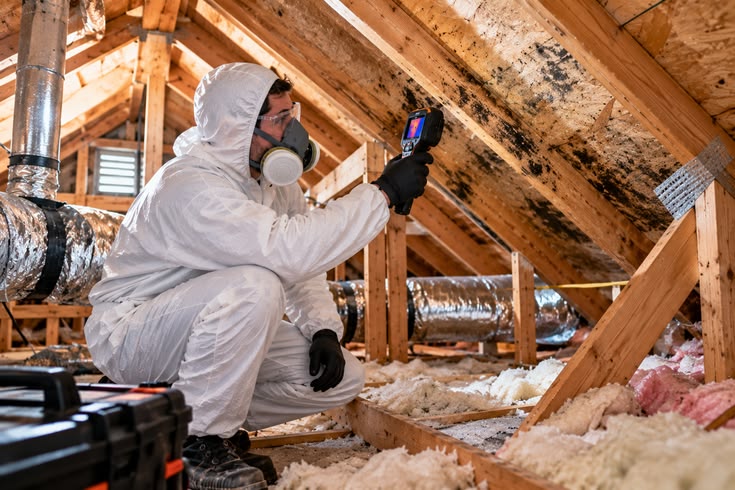
If you have noticed green streaks on your siding, dark patches around exterior walls, or slippery buildup on concrete, the cause is often a combination of moisture, shade, pollen, organic debris, and limited sunlight.
For Glen Allen homeowners, mold, mildew, and green algae are more likely to develop on exterior surfaces that stay damp for longer periods.
Understanding why this happens can help you know when professional pressure washing in Glen Allen may be needed.
Why Do Glen Allen Homes Develop Green Algae?
Green algae grow best in damp, shaded conditions.
It often appears on areas that:
- Receive limited sunlight
- Stay wet after rain
- Sit near trees or shrubs
- Have poor airflow
- Collect pollen and organic debris
Common problem areas include:
- Vinyl siding
- Walkways
- Decks
- Fences
- Patios
- Concrete
The growth may begin as a light green film and gradually spread across a larger section of the exterior.
Why Does One Side of the House Get More Algae?
It is common for one side of a home to look much dirtier than the others.
That usually happens because one wall receives:
- Less direct sunlight
- More shade
- More moisture
- Less airflow
- More tree coverage
A shaded wall can stay damp longer after rain, creating better conditions for algae and mildew.
What Causes Mildew on Exterior Surfaces?
Mildew also develops where moisture remains present.
It may appear as:
- Gray patches
- White buildup
- Dark spots
- Surface discoloration
Mildew can form on:
- Siding
- Decks
- Fences
- Painted surfaces
- Patios
If the moisture conditions remain unchanged, mildew can return even after cleaning.
What Causes Mold Outside a Home?
Exterior mold is often associated with persistent moisture and organic material.
Common contributing factors include:
- Poor drainage
- Leaking gutters
- Overflowing downspouts
- Dense landscaping
- Heavy shade
- Limited airflow
- Areas that dry slowly
Because exterior growth can vary in color and appearance, homeowners may not always be able to tell mold, mildew, and algae apart by sight alone.
The most important thing is using the correct cleaning method for the surface.
How Glen Allen Conditions Contribute to Exterior Growth
Several environmental factors can increase exterior buildup over time.
These include:
- Rain
- Humidity
- Seasonal pollen
- Tree debris
- Shade
- Moisture
- Warm weather
When siding, decks, and concrete stay damp, organic growth can develop more easily.
Homes surrounded by mature trees may be affected more because trees can create:
- More shade
- More pollen
- More leaves
- More organic debris
- Reduced airflow
Can Trees Make Mold, Mildew, and Algae Worse?
Yes.
Trees can contribute to exterior buildup by:
- Blocking sunlight
- Keeping surfaces shaded
- Dropping leaves and debris
- Increasing pollen
- Reducing airflow
- Holding moisture around the property
That does not mean trees need to be removed.
Trimming branches and keeping vegetation away from exterior walls can help surfaces dry more quickly.
Can Gutters Cause Algae and Mildew Problems?
Yes.
Clogged or leaking gutters can repeatedly expose siding and nearby surfaces to moisture.
Watch for:
- Overflowing gutters
- Leaking seams
- Blocked downspouts
- Water streaks
- Damp siding below gutters
- Water collecting near the foundation
Fixing gutter and drainage issues can help reduce one source of recurring moisture.
Does Landscaping Affect Exterior Algae Growth?
It can.
Dense shrubs and plants near the house can:
- Block airflow
- Increase shade
- Hold moisture
- Keep siding damp longer
Sprinklers can also contribute if they repeatedly spray siding, fences, or nearby exterior surfaces.
Homeowners can help by:
- Trimming shrubs
- Improving airflow
- Redirecting sprinklers
- Avoiding overwatering near the house
Does Pollen Cause Green Siding?
Pollen itself is not the same as algae, but it can contribute to exterior buildup.
It can collect on:
- Siding
- Windows
- Decks
- Fences
- Patios
- Outdoor surfaces
When pollen mixes with dirt and moisture, the exterior can begin to look yellow, green, or dull.
That buildup can also make surfaces more favorable for organic growth.
What Surfaces Are Most Likely to Develop Mold, Mildew, or Algae?
Several exterior areas are especially vulnerable.
House Siding
Shaded siding may develop green algae, dark staining, or mildew.
Driveways
Concrete can become darker and may develop algae in damp or shaded areas.
Walkways
Walkways can collect green buildup and become slippery when wet.
Decks
Wood and composite decks may develop mildew, algae, and organic staining.
Fences
Wood and vinyl fences may collect algae, pollen, and dirt.
Patios
Patios can trap moisture, debris, and organic buildup over time.
Is Green Algae Just a Cosmetic Problem?
At first, the biggest issue may be appearance.
However, heavy buildup can also:
- Make the property look neglected
- Trap moisture
- Create stains
- Reduce curb appeal
- Make walkways slippery
- Become harder to remove over time
Routine exterior cleaning can help prevent light buildup from becoming severe.
Can Pressure Washing Remove Mold, Mildew, and Algae?
Yes, but the cleaning method should match the surface.
Durable surfaces such as concrete may respond well to controlled pressure washing.
More delicate materials, including siding, often need lower pressure.
Professional pressure washing in Glen Allen, VA should be adjusted according to the material being cleaned.
Is Soft Washing Better for House Siding?
In many cases, yes.
Soft washing uses:
- Lower water pressure
- Surface-appropriate cleaning solutions
- Controlled rinsing
It is commonly used for:
- Vinyl siding
- Painted surfaces
- Delicate exterior finishes
- Organic growth
Instead of relying mainly on force, the cleaning solution helps loosen algae and mildew before rinsing.
Why High Pressure Is Not Always Better
More pressure does not automatically produce better results.
Too much pressure can potentially:
- Damage siding
- Force water behind exterior materials
- Strip paint
- Splinter wood
- Etch concrete
The correct pressure level should always depend on the surface.
How Often Should Glen Allen Homes Be Cleaned?
For many homes, professional exterior cleaning every 12 to 18 months is a practical starting point.
Some homes may need cleaning sooner if they have:
- Heavy tree coverage
- Frequent shade
- Recurring algae
- Mildew
- Moisture-prone areas
- Heavy pollen
- Dark concrete
The condition of the property should guide the schedule.
Can Mold, Mildew, and Algae Come Back After Cleaning?
Yes.
Cleaning removes the existing buildup, but it does not permanently change the conditions around the home.
Organic growth may return faster if the property continues to have:
- Heavy shade
- Poor drainage
- Dense vegetation
- Constant moisture
- Leaking gutters
- Limited sunlight
Regular maintenance can help keep growth under control.
How Can Glen Allen Homeowners Reduce Future Growth?
You may not be able to prevent algae or mildew completely, but you can reduce the conditions that encourage it.
Trim Trees and Shrubs
Allow more sunlight and airflow around the home.
Keep Gutters Clean
Reduce water overflow onto siding.
Improve Drainage
Prevent standing water near the property.
Adjust Sprinklers
Avoid repeatedly spraying siding and fences.
Schedule Routine Exterior Cleaning
Removing buildup before it becomes severe can make future maintenance easier.
Can Exterior Cleaning Improve Curb Appeal?
Yes.
Green siding, dark concrete, and stained walkways can make a property look older or less maintained.
Professional exterior cleaning can help:
- Brighten siding
- Refresh driveways
- Clean walkways
- Remove visible green buildup
- Improve outdoor spaces
- Improve overall curb appeal
Should You Clean Before Selling a Glen Allen Home?
It can be a useful step.
Before listing a property, homeowners may want to clean:
- Siding
- Driveways
- Walkways
- Decks
- Fences
- Patios
A cleaner exterior can help the home look better in listing photos and during showings.
When Should You Schedule Professional Cleaning?
Consider scheduling service when:
- Green algae is spreading across siding
- Walkways are becoming slippery
- Concrete looks dark
- Mildew is appearing
- It has been more than a year since the last cleaning
- You are preparing to sell
- You are preparing for exterior painting
Addressing buildup earlier can make the exterior easier to maintain.
Professional Pressure Washing in Glen Allen, VA
Mold, mildew, and green algae usually develop where exterior surfaces stay damp, shaded, and exposed to organic material.
Curb Appeal Pressure Wash provides residential and commercial exterior cleaning for Glen Allen-area properties.
Depending on the surface, the appropriate cleaning method may include:
- Pressure washing
- Soft washing
- House washing
- Concrete cleaning
- Driveway cleaning
- Deck cleaning
- Fence cleaning
- Walkway cleaning
If your property is developing green algae, mildew, dirt, or dark staining, professional pressure washing in Glen Allen can help restore a cleaner appearance while using a method suited to each surface.
FAQs
Why do Glen Allen homes develop green algae?
Green algae commonly develops on damp, shaded exterior surfaces where moisture remains for longer periods.
Why does one side of my house have more algae?
That side may receive less sunlight, more shade, or less airflow, causing it to stay wet longer.
Can pressure washing remove mold and mildew?
Yes, but the proper method depends on the surface. Concrete may be pressure washed, while siding may be better suited to soft washing.
Can trees make mold and algae worse?
Yes. Trees can increase shade, pollen, moisture, and organic debris around the property.
How often should algae and mildew be cleaned?
Many Glen Allen homes can start with exterior cleaning every 12 to 18 months, although shaded or moisture-prone properties may need service sooner.
Will green algae come back after cleaning?
It can. Cleaning removes existing buildup, but shade, moisture, vegetation, and other environmental conditions may allow it to return.


