If you’re researching exterior cleaning services for your home, you’ve probably come across two terms that seem interchangeable:
House Washing and Pressure Washing.
Many homeowners assume they mean the same thing. After all, both involve cleaning the outside of a property, right?
Not exactly.
While house washing and pressure washing are related services, they use different methods, equipment, and cleaning techniques. Choosing the wrong cleaning method for the wrong surface can lead to poor results—or even expensive damage.
So, what’s the difference between house washing and pressure washing, and which one does your home actually need?
In this guide, we’ll explain how each cleaning method works, when they’re used, and why professional cleaning companies often combine both services to achieve the best results.
What Is House Washing?
House washing is a specialized exterior cleaning process designed to safely remove:
- Dirt
- Dust
- Algae
- Mold
- Mildew
- Pollen
- Organic buildup
from a home’s exterior surfaces.
Unlike traditional pressure washing, house washing typically uses a soft washing method.
This means:
- Lower water pressure
- Specialized cleaning solutions
- Gentle application techniques
The goal is to clean the surface without causing damage.
What Is Soft Washing?
Soft washing is the most common method used for house washing.
Instead of relying on extreme water pressure, soft washing uses cleaning agents that break down:
- Algae
- Mold
- Mildew
- Bacteria
- Organic stains
Once treated, these contaminants are gently rinsed away.
This process provides a deeper and longer-lasting clean than water pressure alone.
What Is Pressure Washing?
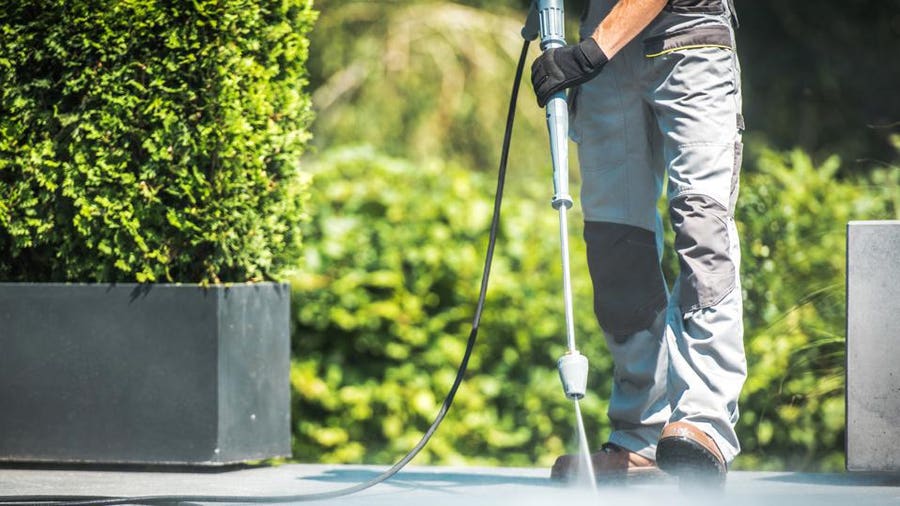
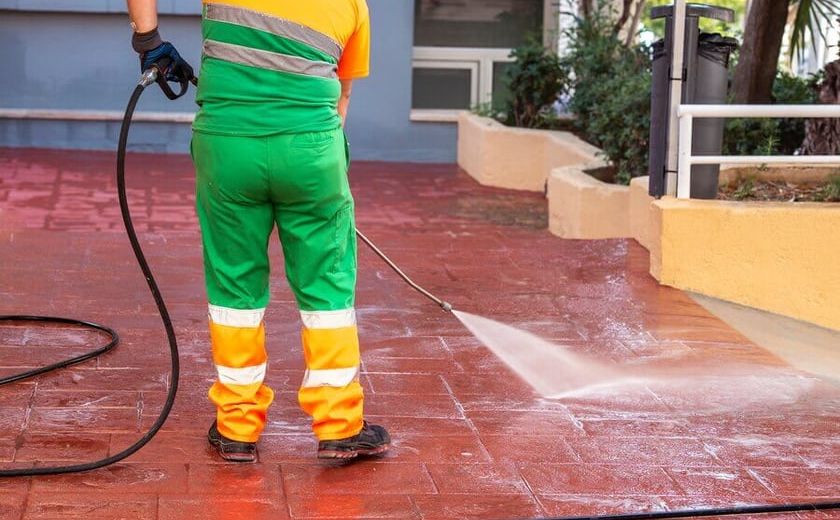
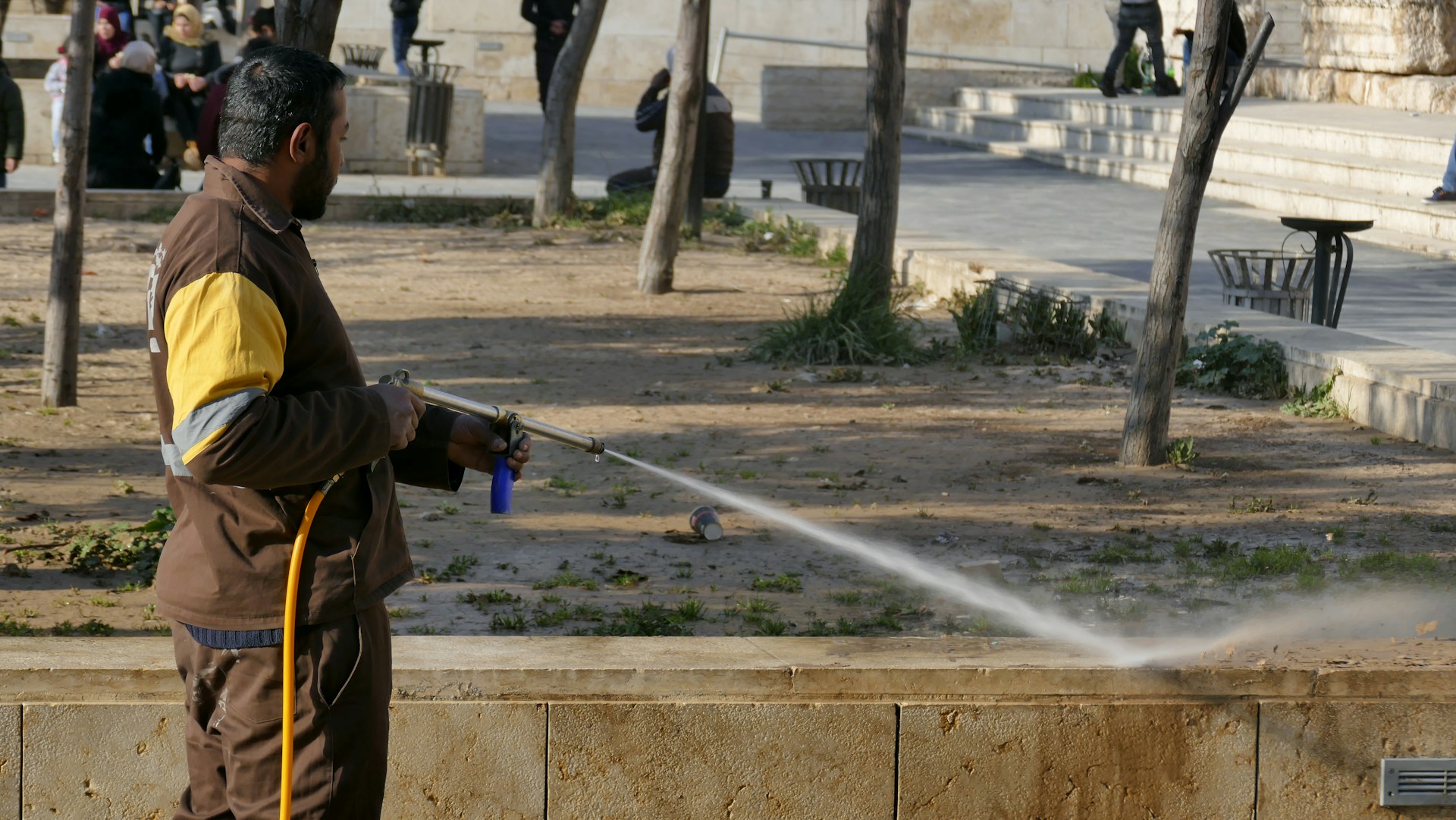
Pressure washing uses highly pressurized water to clean hard surfaces.
It is ideal for removing:
- Dirt
- Mud
- Surface stains
- Grease
- Oil residue
- Heavy grime
Pressure washing is commonly used on durable materials that can withstand stronger water pressure.
These surfaces may include:
- Concrete driveways
- Sidewalks
- Patios
- Retaining walls
- Parking lots
- Some types of masonry
Because of its power, pressure washing can quickly restore heavily soiled surfaces.
The Biggest Difference: Pressure Levels
The primary difference between house washing and pressure washing comes down to water pressure.
House Washing
Uses low-pressure cleaning.
Designed for delicate surfaces such as:
- Vinyl siding
- Stucco
- Painted surfaces
- Wood siding
- Exterior trim
Pressure Washing
Uses high-pressure water.
Designed for durable surfaces such as:
- Concrete
- Brick
- Stone
- Pavers
Using excessive pressure on siding or roofing materials can cause damage, which is why professional cleaning companies carefully choose the appropriate method.
Why You Should Never Pressure Wash Your Entire House
One of the biggest mistakes homeowners make is assuming that higher pressure equals better cleaning.
In reality, excessive pressure can damage:
Vinyl Siding
High pressure can crack, loosen, or force water behind siding panels.
Painted Surfaces
Paint may chip, peel, or wear prematurely.
Wood Siding
Pressure can gouge wood fibers and accelerate deterioration.
Windows and Seals
Strong water streams may damage seals or allow moisture intrusion.
This is why professional house washing typically relies on soft washing instead of traditional pressure washing.
When Does Your Home Need House Washing?
House washing is ideal when your home develops:
Green Algae
Common on shaded areas of siding.
Mold and Mildew
Frequently found in humid environments.
Pollen Buildup
Especially noticeable during spring.
Dirt and Dust
Accumulated over months of exposure.
Spider Webs and Organic Debris
Common around exterior surfaces.
House washing restores curb appeal while protecting delicate building materials.
When Does Your Property Need Pressure Washing?
Pressure washing is the better choice for hard surfaces with heavy contamination.
Examples include:
Driveways
Oil stains, tire marks, and dirt accumulation.
Sidewalks
Heavy foot traffic and weather exposure.
Patios
Moss, algae, and grime buildup.
Pool Decks
Slippery organic growth and staining.
Commercial Concrete Areas
Parking lots and walkways.
Pressure washing can dramatically improve appearance and safety.
Common Surfaces That Need House Washing
Professional house washing is commonly used on:
- Vinyl siding
- Fiber cement siding
- Stucco
- Painted exteriors
- Exterior trim
- Gutters
- Soffits and fascia
These surfaces benefit from gentle yet effective cleaning.
Common Surfaces That Need Pressure Washing
Pressure washing works best on:
- Concrete driveways
- Sidewalks
- Brick walkways
- Retaining walls
- Stone patios
- Commercial surfaces
These materials can typically handle higher cleaning pressures.
Why Green Stains Keep Coming Back
Many homeowners notice green discoloration returning shortly after cleaning.
This often occurs when pressure washing is used without treating the underlying organic growth.
Pressure alone may remove visible surface stains but leave behind:
- Algae spores
- Mold spores
- Organic residue
Soft washing treatments help eliminate these contaminants at the source, reducing regrowth and providing longer-lasting results.
Which Method Is Better for Curb Appeal?
The answer depends on the surface being cleaned.
For Siding
House washing usually provides better results.
For Driveways
Pressure washing is typically more effective.
For Complete Property Cleaning
A combination of both methods often delivers the best outcome.
Professional cleaning companies frequently use multiple techniques during a single project.
Can House Washing Increase Property Value?
While exterior cleaning doesn’t directly increase market value, it can significantly improve:
- Curb appeal
- Buyer perception
- Property presentation
For homeowners preparing to sell, house washing is one of the most affordable exterior improvements available.
A clean home simply looks better-maintained.
How Often Should You Wash Your House?
Most homes benefit from professional house washing every:
12–24 Months
However, frequency depends on factors such as:
- Tree coverage
- Humidity
- Shade
- Weather exposure
Homes in heavily wooded areas often require more frequent cleaning.
How Often Should You Pressure Wash Concrete?
For driveways and other hard surfaces, pressure washing is generally recommended every:
12–18 Months
Depending on:
- Vehicle traffic
- Surface staining
- Environmental conditions
Routine cleaning helps prevent deep staining and long-term discoloration.
DIY vs Professional Exterior Cleaning
Many homeowners consider renting pressure washing equipment.
While DIY cleaning may seem cost-effective, common problems include:
Incorrect Pressure Settings
Can damage surfaces.
Incomplete Cleaning
Organic growth often returns quickly.
Safety Risks
Working around ladders and wet surfaces can be hazardous.
Equipment Limitations
Consumer equipment rarely matches professional performance.
Professional cleaning companies understand which techniques are appropriate for each surface.
Why Homeowners Trust Curb Appeal Pressure Wash
At Curb Appeal Pressure Wash, we help homeowners throughout Midlothian, Richmond, Chesterfield, Henrico, and surrounding Virginia communities restore their property’s appearance safely and effectively.
Our services include:
- House washing
- Soft washing
- Pressure washing
- Roof cleaning
- Driveway cleaning
- Patio cleaning
- Deck cleaning
- Commercial exterior cleaning
We carefully evaluate every surface and use the proper cleaning method to achieve outstanding results without causing damage.
Schedule Your Exterior Cleaning Service Today
If you’re unsure whether your property needs house washing or pressure washing, our team can help.
A professional evaluation ensures the right cleaning method is used for every surface, helping protect your home while restoring its beauty.
Contact Curb Appeal Pressure Wash today for a free estimate and discover why homeowners throughout Central Virginia trust us for professional exterior cleaning services.