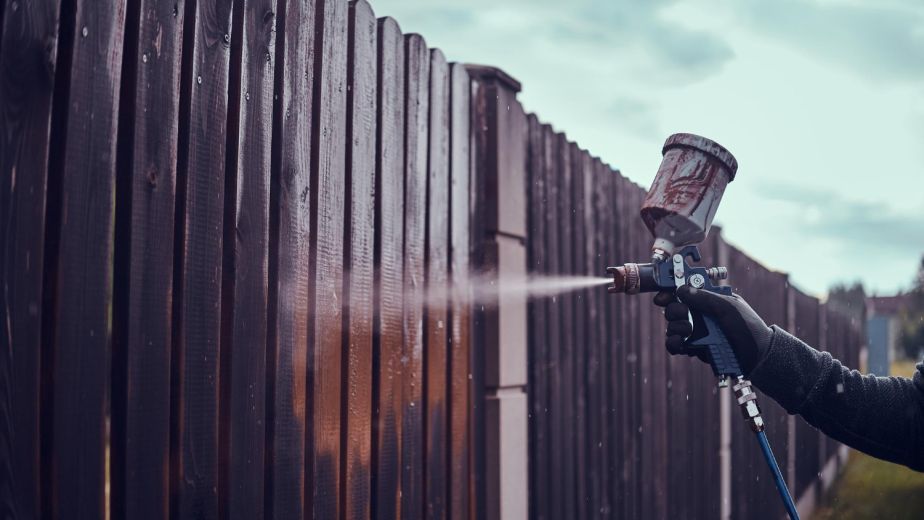

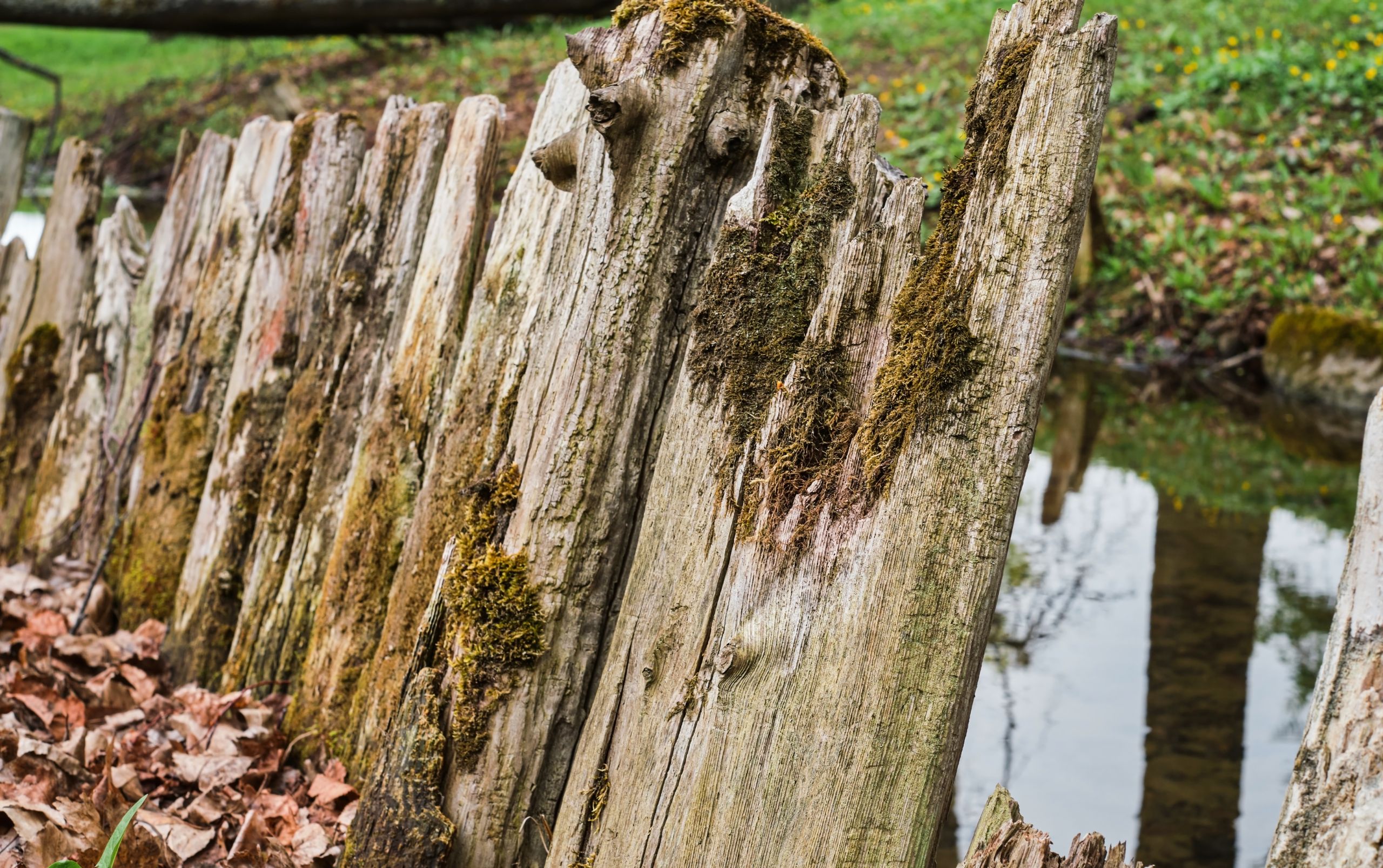
If your fence is turning green, dark, patchy, or stained, the problem is often caused by a combination of moisture, shade, poor airflow, pollen, and organic debris.
In Midlothian, fences that stay damp for longer periods can develop mold, mildew, and green algae more quickly, especially when they are surrounded by trees, shrubs, or dense landscaping.
Understanding why this happens can help homeowners know when professional Fence Cleaning Midlothian may be needed and how to reduce future buildup.
Why Does Green Algae Grow on Fences?
Green algae develop best in damp, shaded conditions.
It often appears on fence sections that:
- Receive limited sunlight
- Stay wet after rain
- Sit near trees or shrubs
- Have poor airflow
- Collect pollen and leaves
- Remain shaded for much of the day
The growth may begin as a light green film and gradually spread across larger sections of the fence.
Why Do Some Midlothian Fences Turn Green Faster Than Others?
Not every fence develops algae at the same rate.
A fence may become green faster if it has:
- Heavy tree coverage
- Frequent moisture
- Dense landscaping
- Limited sunlight
- Poor airflow
- Sprinkler exposure
- Organic debris buildup
A fence in an open, sunny area may dry faster and stay cleaner longer.
What Causes Mildew on Fences?
Mildew often develops where moisture remains present.
It may appear as:
- Dark spots
- Gray patches
- Surface discoloration
- Speckled staining
Common contributing conditions include:
- Shade
- Moisture
- Dense shrubs
- Poor drainage
- Limited airflow
If the surface does not dry quickly, mildew can return repeatedly.
What Causes Mold on Fences?
Mold-related growth can also develop where moisture and organic material remain on the surface.
Factors may include:
- Standing water nearby
- Heavy shade
- Leaves collecting around the fence
- Poor drainage
- Dense vegetation
- Repeated sprinkler exposure
The exact type of organic growth can sometimes be difficult to identify visually, but the cleaning method should still be based on the fence material and condition.
How Midlothian Conditions Contribute to Fence Buildup
Outdoor fences are constantly exposed to changing conditions.
Over time, they may collect:
- Rainwater
- Dirt
- Pollen
- Leaves
- Organic debris
- Moisture
- Algae
- Mildew
When moisture combines with shade and organic material, buildup can develop more easily.
Can Trees Make Fence Algae Worse?
Yes.
Trees can contribute by:
- Blocking sunlight
- Creating shade
- Dropping leaves
- Producing pollen
- Holding moisture nearby
- Reducing airflow
Fences surrounded by mature trees may need cleaning more frequently.
Does Landscaping Affect Mold and Mildew Growth?
It can.
Dense landscaping may:
- Keep the fence shaded
- Reduce airflow
- Trap moisture
- Drop organic debris against the surface
Shrubs and plants growing directly against the fence can also make it harder for the material to dry.
Can Poor Drainage Cause Fence Mold and Mildew?
Yes.
Standing water near the bottom of a fence can keep the area damp.
Common drainage issues include:
- Water collecting near fence posts
- Improper grading
- Downspouts emptying nearby
- Sprinkler runoff
- Poor soil drainage
Repeated moisture can increase the likelihood of algae and mildew developing.
Can Sprinklers Cause Green Algae on Fences?
Yes.
Sprinklers that regularly hit the fence can keep sections damp.
This repeated moisture can encourage:
- Green algae
- Mildew
- Dark staining
- Surface discoloration
Redirecting sprinkler heads can help reduce unnecessary moisture.
Does Pollen Make Fences Look Green or Dirty?
Pollen itself is not algae, but it can contribute to buildup.
Pollen may collect on:
- Wood fences
- Vinyl fences
- Gates
- Decorative panels
When pollen mixes with moisture and dirt, the surface may look yellow, green, or dull.
Why Do Wood Fences Develop Dark or Black Stains?
Dark staining on wood can develop because of:
- Mildew
- Dirt
- Organic growth
- Moisture
- Weathering
- Leaves
- Pollen
Some staining may be superficial, while other discoloration may be related to the age and condition of the wood.
Why Do Vinyl Fences Turn Green?
Vinyl fencing can also develop algae and mildew.
The buildup often appears where the surface remains:
- Damp
- Shaded
- Close to vegetation
- Exposed to sprinklers
- Covered with pollen or organic debris
Because vinyl does not absorb water the same way wood does, the cleaning approach may differ.
Is Green Algae Just a Cosmetic Problem?
At first, algae may mainly affect appearance.
However, heavy buildup can also:
- Make the fence look neglected
- Hold moisture against the surface
- Create uneven discoloration
- Make maintenance more difficult
- Reduce curb appeal
Routine fence cleaning in Midlothian can help prevent buildup from becoming severe.
Can Pressure Washing Remove Green Algae from a Fence?
Yes, but the cleaning method matters.
For durable surfaces, controlled pressure may be appropriate.
For wood, excessive pressure can cause:
- Splintering
- Raised wood fibers
- Gouging
- Visible cleaning marks
That is why professional Fence Cleaning Midlothian should focus on surface-appropriate cleaning rather than maximum pressure.
Is Soft Washing Better for Mold, Mildew, and Algae?
In many cases, a lower-pressure approach with the right cleaning solution can be effective.
Cleaning solutions help loosen and treat:
- Green algae
- Mildew
- Organic staining
- Dirt
This can reduce the need for aggressive water pressure.
The best method depends on:
- Fence material
- Age
- Existing finish
- Surface condition
- Severity of buildup
Can Mold, Mildew, and Algae Return After Cleaning?
Yes.
Cleaning removes the current buildup, but it does not permanently change the environment around the fence.
Growth may return if the fence continues to have:
- Heavy shade
- Frequent moisture
- Dense vegetation
- Poor drainage
- Sprinkler exposure
- Limited airflow
Routine maintenance can help slow the return.
How Often Should Midlothian Fences Be Cleaned?
For many properties, cleaning every 12 to 18 months is a practical starting point.
Some fences may need attention sooner if they have:
- Heavy shade
- Mature trees
- Frequent moisture
- Recurring algae
- Mildew
- Heavy pollen
The actual condition of the fence should guide the schedule.
How Can You Reduce Future Mold and Algae Growth?
Homeowners can help by addressing the conditions that encourage buildup.
Trim Trees and Shrubs
Allow more sunlight and airflow around the fence.
Redirect Sprinklers
Avoid repeatedly soaking the surface.
Improve Drainage
Prevent water from collecting near fence posts and panels.
Remove Leaves and Debris
Organic material can trap moisture.
Keep Plants Away from the Fence
Better airflow can help the surface dry faster.
Schedule Routine Fence Cleaning
Cleaning before buildup becomes severe can make maintenance easier.
Is Spring a Good Time to Clean a Fence?
Yes.
Spring cleaning can help remove:
- Winter dirt
- Organic debris
- Early algae
- Mildew
- Pollen
It can also refresh the yard before warmer-weather activities.
Is Fall a Good Time for Fence Cleaning?
Yes.
Early fall can also be useful.
By then, fences may have accumulated:
- Summer dirt
- Algae
- Mildew
- Pollen
- Organic debris
Cleaning before colder weather can help improve the appearance of the property.
Should You Clean a Fence Before Staining?
In many cases, yes.
Before staining, the fence should generally be free from:
- Dirt
- Algae
- Mildew
- Organic buildup
- Surface grime
A cleaner surface can help prepare the wood for the next maintenance step.
Can Fence Cleaning Improve Curb Appeal?
Yes.
A green, dark, or heavily stained fence can make the property look less maintained.
Professional cleaning can help:
- Brighten the fence
- Remove green buildup
- Reduce dark staining
- Refresh outdoor areas
- Improve curb appeal
This can be especially useful before selling a home or completing landscaping improvements.
When Should You Schedule Professional Fence Cleaning?
Consider service when:
- Green algae is spreading
- Mildew is visible
- Dark staining is increasing
- Pollen buildup is heavy
- The fence looks dull or weathered
- It has been more than a year since the last cleaning
- You are preparing to stain or paint
These signs can be more useful than relying on a rigid schedule.
Professional Fence Cleaning in Midlothian
Mold, mildew, and green algae often develop because fences stay damp, shaded, and exposed to organic material.
Curb Appeal Pressure Wash provides professional Fence Cleaning Midlothian services for residential properties.
Services may include:
- Wood fence cleaning
- Vinyl fence cleaning
- Algae removal
- Mildew cleaning
- Deck cleaning
- House washing
- Driveway cleaning
- Walkway cleaning
If your fence is green, dark, stained, or covered with buildup, professional fence cleaning in Midlothian can help restore a cleaner appearance using a method suited to the material.
FAQs
Why do Midlothian fences develop green algae?
Green algae commonly develops on damp, shaded fence surfaces with limited sunlight and airflow.
Why does mildew grow on wood fences?
Mildew often develops where moisture remains present and organic debris collects.
Can pressure washing remove algae from a fence?
Yes, but the pressure must be controlled carefully, especially on wood.
Is soft washing better for fence algae and mildew?
In many cases, lower-pressure cleaning with an appropriate cleaning solution can be safer and effective.
How often should Midlothian fences be cleaned?
Many fences can start with cleaning every 12 to 18 months, although shaded or moisture-prone fences may need service sooner.
Will algae come back after fence cleaning?
It can. Shade, moisture, trees, poor drainage, and sprinklers can allow algae to return over time.