
If your fence is covered with green algae, mildew, dirt, pollen, or dark staining, you may be wondering whether pressure washing or soft washing is the better cleaning method.
For many fences, the answer depends on the material and condition of the surface. Wood fences often benefit from lower-pressure cleaning, while some vinyl and more durable surfaces may tolerate controlled pressure better.
For homeowners considering Fence Cleaning Midlothian, the goal should be to remove buildup without damaging the fence.
What Is Pressure Washing?
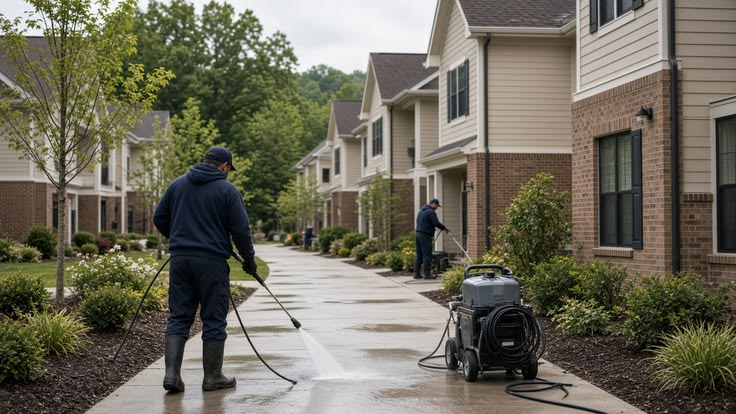
Pressure washing uses water delivered at higher pressure to remove dirt and buildup.
It is commonly used for:
- Concrete
- Driveways
- Walkways
- Sidewalks
- Some durable exterior surfaces
For fences, however, pressure must be used carefully.
Too much pressure can damage wood, loosen weak areas, or strip existing finishes.
What Is Soft Washing?
Soft washing uses:
- Lower water pressure
- Cleaning solutions
- Controlled rinsing
Instead of relying mainly on water force, the cleaning solution helps loosen:
- Green algae
- Mildew
- Dirt
- Organic buildup
- Surface staining
This can make soft washing a better option for more delicate fence materials.
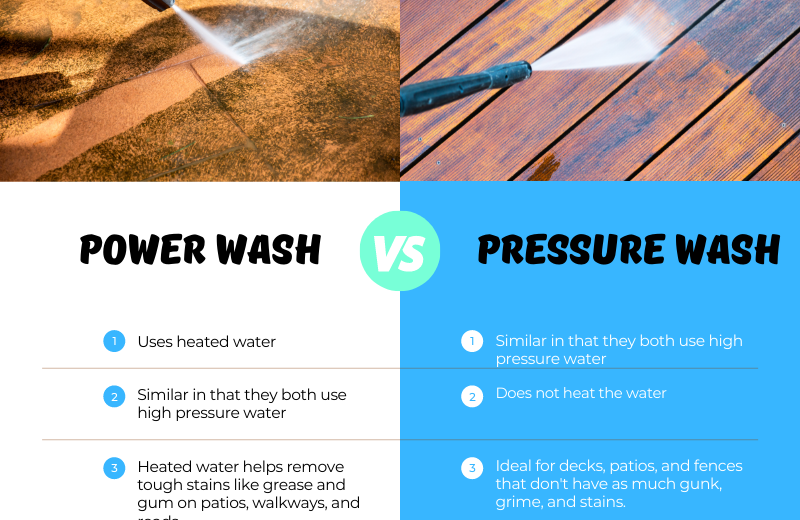
Pressure Washing vs Soft Washing: What’s the Main Difference?
The main difference is how the cleaning power is created.
Pressure Washing
Relies more heavily on stronger water pressure.
Soft Washing
Uses lower pressure along with cleaning solutions.
Both methods can be useful, but not every fence should be cleaned the same way.
Which Is Better for Wood Fences?
For many wood fences, soft washing or controlled low-pressure cleaning is generally safer.
Wood is more vulnerable to aggressive water pressure than concrete.
Too much pressure may cause:
- Splintering
- Raised wood fibers
- Gouging
- Visible cleaning lines
- Finish damage
Professional fence cleaning in Midlothian should always consider the condition of the wood before choosing the method.
Can Pressure Washing Damage a Wood Fence?
Yes.
Pressure washing can damage wood if:
- Pressure is too high
- The nozzle is too narrow
- The wand is held too close
- The operator moves too slowly
- The wood is old or weathered
Older fences may be especially vulnerable because the surface fibers can already be weakened.
Is Soft Washing Better for Vinyl Fences?
In many cases, yes.
Vinyl fences commonly collect:
- Green algae
- Mildew
- Pollen
- Dirt
- Surface grime
Because these contaminants can often be treated with cleaning solutions, high pressure may not be necessary.
A lower-pressure approach can help clean the fence without unnecessary force.
Can Pressure Washing Be Used on Vinyl Fencing?
It can be used carefully, but high pressure is usually unnecessary.
Too much pressure may affect:
- Fence panels
- Joints
- Decorative sections
- Loose or aging components
The cleaning method should be adjusted to the fence condition.
What About Composite Fences?
Composite fencing can also collect dirt, algae, mildew, and pollen.
The correct cleaning method depends on:
- Manufacturer recommendations
- Age
- Condition
- Surface finish
- Level of buildup
Aggressive pressure may not always be appropriate.
Can Soft Washing Remove Green Algae?
Yes.
Green algae is one of the most common reasons homeowners schedule professional fence cleaning.
It often develops where fences stay:
- Damp
- Shaded
- Close to vegetation
- Exposed to moisture
- Limited in sunlight
Soft washing can help treat the algae before rinsing.
Can Soft Washing Remove Mildew?
Yes.
Mildew often forms where moisture remains present.
It may appear as:
- Dark spots
- Gray staining
- Surface discoloration
Appropriate cleaning solutions can help loosen mildew and organic buildup without relying entirely on pressure.
Why Do Midlothian Fences Develop Green Algae?
Several environmental factors can contribute.
These include:
- Shade
- Trees
- Moisture
- Dense landscaping
- Sprinklers
- Limited airflow
- Organic debris
Fence sections that receive less sunlight may stay damp longer and develop algae faster.
Why Do Wood Fences Turn Black or Dark?
Dark staining can develop because of:
- Mildew
- Dirt
- Organic growth
- Moisture
- Weathering
- Leaves
- Pollen
The cause of the staining should be considered before selecting the cleaning method.
Is More Pressure Better for Heavy Stains?
No.
Stronger pressure does not automatically mean better cleaning.
For difficult stains, using the correct treatment is often more important than increasing water pressure.
Too much pressure can damage the fence without fully solving the staining problem.
Can One Fence Need Different Cleaning Methods?
Yes.
Different sections may require different treatment.
For example:
- Weathered wood may need lower pressure
- Heavily stained sections may need additional cleaning solution
- Vinyl panels may need gentle washing
- Gates and decorative areas may require more detailed cleaning
Professional Fence Cleaning Midlothian should be adjusted to the actual surface.
Is Soft Washing Safer for Older Fences?
Often, yes.
Older fences may have:
- Weak boards
- Cracks
- Peeling stain
- Worn paint
- Weathered fibers
- Loose sections
Using lower pressure can reduce the risk of making existing damage worse.
What If the Fence Has Paint or Stain?
Extra care is needed.
Aggressive pressure may:
- Strip stain
- Remove paint
- Create uneven patches
- Expose bare wood
The cleaner should know whether the goal is:
- General cleaning
- Preparation for staining
- Preparation for painting
- Finish removal
Those require different approaches.
Should You Clean a Fence Before Staining?
In many cases, yes.
Before staining, the fence should generally be free from:
- Dirt
- Algae
- Mildew
- Organic buildup
- Surface grime
Cleaning can help prepare the wood for the next maintenance step.
The fence should also be allowed to dry properly before stain is applied.
Should You Clean a Fence Before Painting?
Yes, in many cases.
Paint usually performs better on a clean surface.
Professional cleaning can help remove:
- Dirt
- Pollen
- Algae
- Mildew
- Surface buildup
The fence should then dry thoroughly.
How Often Should a Fence Be Cleaned?
For many Midlothian properties, every 12 to 18 months is a practical starting point.
Some fences may need cleaning sooner if they have:
- Heavy shade
- Trees nearby
- Frequent moisture
- Recurring algae
- Mildew
- Heavy pollen
The actual condition of the fence should guide the schedule.
What Are the Signs Your Fence Needs Cleaning?
Look for:
- Green algae
- Mildew
- Dark staining
- Dirt buildup
- Heavy pollen
- Dull appearance
- Uneven discoloration
These signs are better indicators than relying on a fixed calendar alone.
Can Regular Fence Cleaning Help with Maintenance?
Yes.
Routine cleaning can help reduce:
- Heavy algae
- Thick mildew
- Dark organic staining
- Excessive dirt
It can also make it easier to spot:
- Loose boards
- Peeling finishes
- Cracks
- Surface damage
Which Method Is Better for Fence Cleaning?
A simple guideline is:
Soft Washing or Low-Pressure Cleaning Is Often Better For:
- Wood fencing
- Painted fencing
- Older fences
- Vinyl fencing
- Algae and mildew buildup
Controlled Pressure Washing May Be Suitable For:
- Certain durable fence materials
- Heavier surface dirt
- Areas that can safely tolerate more pressure
The best method depends on the actual surface.
How to Choose a Fence Cleaning Company
Before hiring a provider, ask:
- What cleaning method will you use?
- Do you use lower pressure on wood?
- Can you clean vinyl fencing?
- How do you treat green algae?
- Will existing stain or paint be protected?
- Are you insured?
A professional should be able to explain why a specific method is appropriate.
Professional Fence Cleaning in Midlothian
Pressure washing and soft washing can both be useful, but the correct method depends on the fence material, age, condition, and type of buildup.
Curb Appeal Pressure Wash provides professional Fence Cleaning Midlothian services for residential properties.
Services may include:
- Wood fence cleaning
- Vinyl fence cleaning
- Algae removal
- Mildew cleaning
- Deck cleaning
- House washing
- Driveway cleaning
- Walkway cleaning
If your fence is green, dark, stained, or covered with buildup, professional fence cleaning in Midlothian can help restore a cleaner appearance using a method suited to the surface.
FAQs
Is pressure washing or soft washing better for fences?
It depends on the material. Wood and older fences often benefit from lower-pressure cleaning, while some more durable surfaces may tolerate controlled pressure.
Can pressure washing damage a wood fence?
Yes. Excessive pressure can splinter wood, raise fibers, create gouges, or strip existing finishes.
Is soft washing safe for vinyl fences?
In many cases, yes. Lower-pressure cleaning is often well suited to vinyl fencing.
Can soft washing remove green algae?
Yes. Soft washing can help remove algae, mildew, and other organic buildup.
Should a fence be cleaned before staining?
In many cases, yes. Cleaning helps remove dirt and organic buildup before stain is applied.
How often should a fence be cleaned in Midlothian?
Many fences can start with cleaning every 12 to 18 months, although shaded or moisture-prone fences may need service sooner.